10+ No-Prep Social Skills Games for Any Setting

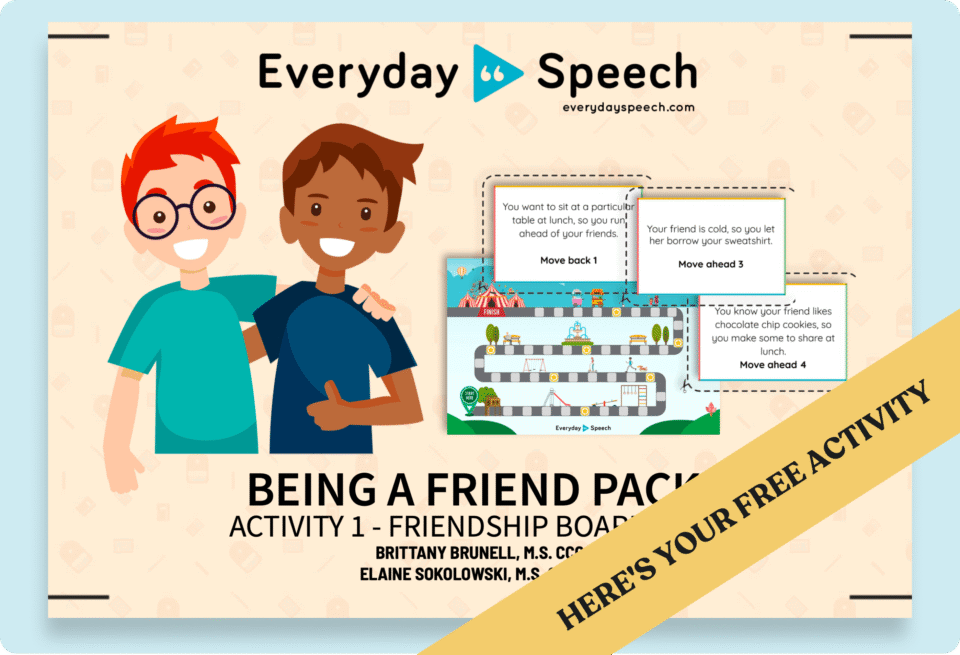
Engaging, play-based activities that teach communication, emotional recognition, cooperation, problem-solving, and friendship skills. These games are ready to use and easy to adapt for groups or individual sessions.

Who This Collection Is For

This collection was created by SLPs and psychologists for anyone supporting students’ social development. It is designed for SLPs, special educators, school counselors, behavior specialists, paraprofessionals, and classroom teachers.

It includes a curated set of ready-to-use social skills games across grade levels and skill areas, so you can quickly find something that fits your learners. Each game reinforces communication and interpersonal skills through movement, turn-taking, teamwork, and structured play.

How to use this collection

  • Scroll and skim to find games that match your goals.
  • Click any title to open the full game instructions, printable, or interactive resource.
  • Adapt freely since everything is flexible across settings and classroom tested.
  • Use these games for one-on-one teaching, small groups, centers, or whole-group instruction.
  • Check back often because new games will be added as they become available.

Tip: If you want the best games all in one place, grab the free downloadable pack at the top of the page.
Social Skills Games

Ready to Use These Social Skills Games?

Whether you are targeting communication, emotional regulation, cooperation, or problem-solving, these no-prep games are designed to make your work easier. They are engaging, age-appropriate, and ready to use right away.

We are always adding new games, so this collection will continue to grow over time.

If you want the top games all in one place, plus exclusive printables, grab the free downloadable pack at the top of the page.

Your next great game is already waiting.

Pick a topic above and dive in!

Your next great social skills game is already waiting.

FAQs

What are social skills games?

Social skills games are structured, play-based activities that build communication, emotional awareness, cooperation, and problem-solving. Each game provides clear instructions and predictable routines, making it easy to support skill growth in any setting.


How do you teach social skills using games?

The best approach is active and hands-on. Introduce the skill, model what it looks like, and use the game to encourage guided practice through turn taking, teamwork, and shared problem-solving. Games create natural opportunities for repetition, feedback, and real-world application.


What social skills should I teach first?

Begin with foundational skills such as recognizing emotions, taking turns, listening, and following directions. Once students are comfortable, introduce more advanced skills like perspective taking, conflict resolution, and self-regulation.


Who can use social skills games?

These games are designed for SLPs, special educators, counselors, and anyone supporting students’ social development. They work well in classrooms, small groups, therapy sessions, or one-on-one instruction.

How often should I use games to teach social skills?

Consistency is key. Short, frequent games a few times per week help students strengthen and apply skills more effectively, especially when paired with ongoing reinforcement in everyday situations.