Play This Emotional Recognition Game for Early Elementary Students: Moji Match


Moji Match: Building Emotional Recognition Skills
Help students practice identifying and understanding emotions by matching expressions, labeling feelings, and discussing how emotions show up in everyday situations with this interactive game.
Helping young students recognize and talk about their emotions can be complex.
Many early elementary students experience strong feelings but struggle to label them clearly or explain what they are feeling in the moment. When they rely on broad feeling words like “mad” or “sad,” they miss important nuances, such as frustration, disappointment, nervousness, or excitement.
Without a clear emotional vocabulary, misunderstandings can happen more easily during peer interactions, group work, or everyday classroom routines. Emotional recognition is a foundational skill that must be explicitly taught and practiced. Simply asking students how they feel does not always build the awareness they need to communicate effectively.
Structured activities can make this skill more concrete. When students see emotions represented visually and connect them to real-life situations, they begin building the vocabulary and understanding that support stronger communication.
In this post, we will look at what emotional recognition looks like for early elementary students, how to help young learners practice this skill, and how an emotional recognition game can support instruction in a practical, engaging way.
What Does Emotional Recognition Look Like for Early Elementary Students?
Emotional recognition for young students means being able to notice facial expressions, identify the feeling being shown, and connect that feeling to a situation. It is not just naming emotions when prompted. It involves understanding how feelings show up in real moments throughout the day.
In early elementary classrooms, this skill appears during peer interactions, transitions, and academic challenges. A student might need to recognize that a classmate looks frustrated during group work or realize that they feel nervous before sharing in front of the class. When students cannot accurately identify emotions, reactions can feel bigger and harder to manage.
Strong emotional recognition helps students communicate more clearly and respond to others with greater awareness. However, these skills do not develop through reminders alone. Students need repeated opportunities to look closely at facial expressions, hear emotion words used accurately, and practice connecting feelings to real-life experiences.
How to Help Early Elementary Students Practice Emotional Recognition
The goal of teaching emotional recognition is to help students move beyond simple labels and build a clearer emotional vocabulary. Young learners benefit from seeing emotions represented visually and discussing what those expressions might mean.
An effective approach includes modeling how to identify specific facial features, asking students to describe what they notice, and guiding them to connect those observations to feelings. When students are asked to explain why a face looks frustrated or excited, they begin strengthening both recognition and reasoning skills.
Structured practice is essential. Rather than relying on posters or quick check-ins, students need guided opportunities to identify emotions, reflect on when they feel that way, and hear how peers describe similar experiences.
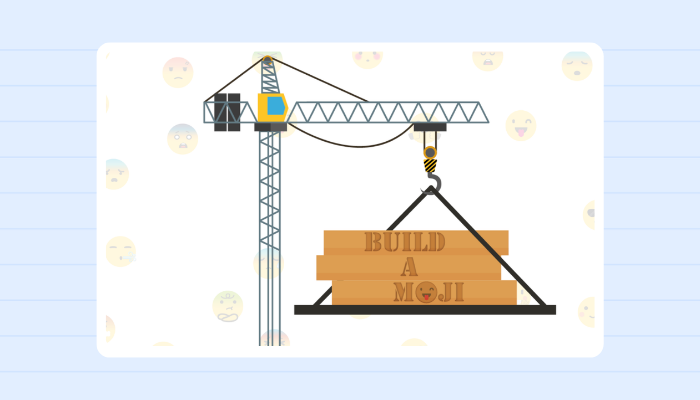
Moji Match is designed to support this type of practice. Through visual matching and discussion prompts, students are encouraged to recognize emotions and connect them to real-life situations in a format that feels engaging and accessible.
Why Games Are Effective for Teaching Emotional Recognition
Many students understand basic emotion words but struggle to apply them during real interactions. When feelings happen quickly, it can be difficult for young learners to pause and accurately describe what they are experiencing.
Traditional approaches, such as reviewing posters or asking quick check-in questions, do not always provide enough repetition or depth. Emotional recognition requires students to look closely, think carefully, and connect expressions to real situations.
Games create a structured setting where this kind of practice can happen naturally. Students are given clear tasks, repeated exposure to emotion words, and opportunities to talk through what they notice. Because the format feels interactive, students are often more willing to participate and share their thinking.
For educators, games also offer an efficient way to build these skills without extensive preparation. A structured activity allows for focused practice while keeping students engaged.
How Moji Match Supports Emotional Recognition Skills for Early Elementary Students
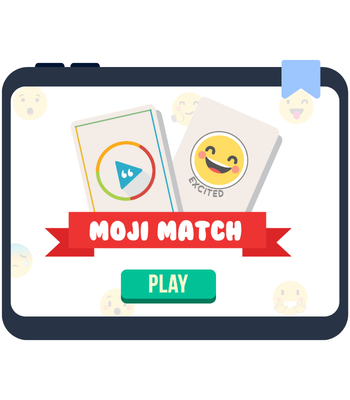
Moji Match provides guided practice with identifying and discussing emotions through a visual matching format. Students match emoji-style cards that represent different feelings, which encourages them to pay attention to facial expressions and emotion cues.
After making a match, students are prompted with a question that invites reflection. They may be asked to describe a time they felt that emotion or explain how someone might feel in a particular situation. These prompts move the activity beyond simple identification and toward deeper understanding.
The structure of the game supports repetition without feeling repetitive. As students continue matching and discussing emotions, they strengthen their vocabulary and build confidence using emotion words accurately.
Moji Match can be used in small groups, whole-class instruction, or social skills sessions, making it flexible for different classroom needs. The guided format allows educators to facilitate meaningful discussion while keeping the activity manageable and focused.
Teaching Emotional Recognition With Games
Emotional recognition is a skill that young students need to practice over time. Without explicit instruction, many children struggle to accurately identify feelings or explain what they are experiencing during peer interactions and classroom routines.
Providing structured opportunities to focus on facial expressions and emotion vocabulary helps students build a stronger foundation for communication and self-awareness. Repeated practice allows students to move from general labels to more specific and meaningful descriptions of how they feel.
Moji Match offers a practical, no-prep way to support this instruction in early elementary settings. The game combines visual matching with guided reflection so students can practice recognizing emotions in a format that is engaging and easy to implement.
Play Moji Match to give students meaningful practice recognizing and discussing emotions in a structured, engaging format.