15 Free Back-to-School Activities for the First Weeks of School

Get all 15 activities in one place
Download 15 free back-to-school activities and have everything ready before the first bell rings.
The first weeks of school are unlike any other time of year.
Routines need to be established, relationships need to be built, and expectations need to be set, all while students are still figuring out where they sit and what the year is going to feel like. Teachers have a limited window to get all of it right before the academic pace picks up.
The right back-to-school activities make that window count. They help students understand what is expected, connect with the people around them, and feel grounded in their routines. A strong first few weeks does not just start the year well. It carries through the rest of it.
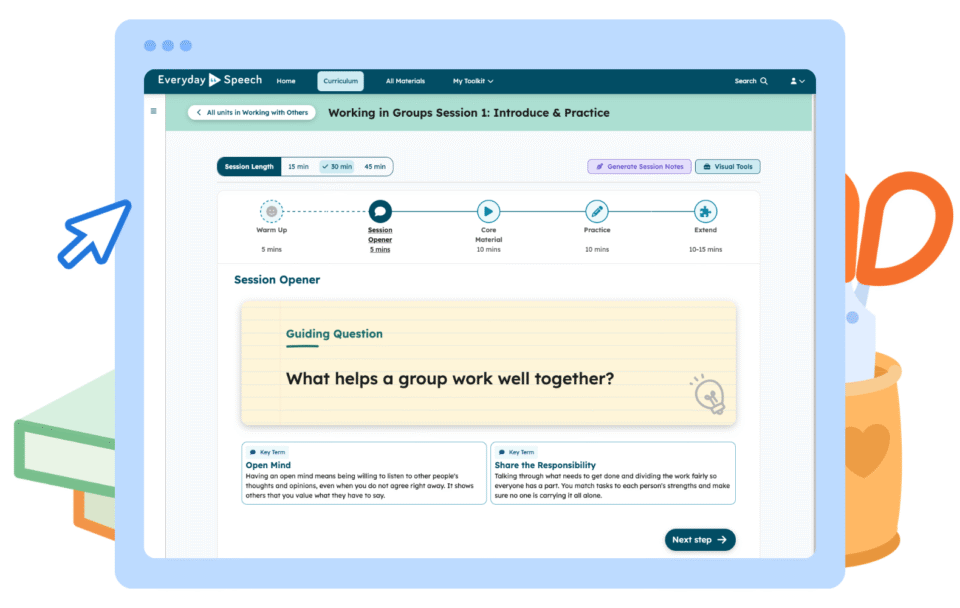
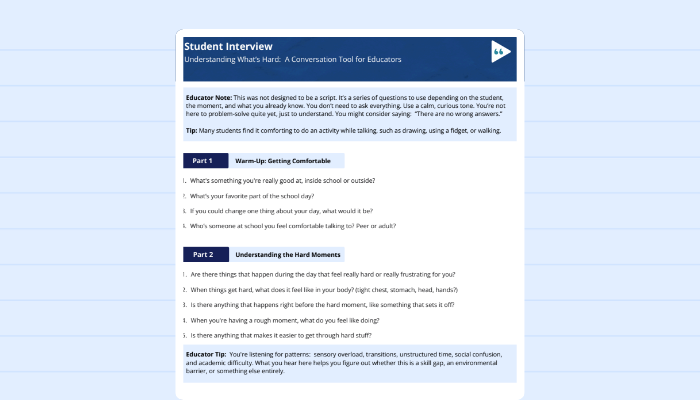
This post brings together 15 free back-to-school activities for PreK through high school, organized across three categories: classroom visual supports, video modeling lessons, and hands-on crafts and activities. Each one is ready to use from day one. All 15 resources are available to download here.
What Are Back-to-School Activities?
Back-to-school activities are structured lessons, visuals, and experiences designed to help students transition into the new school year with clear expectations, stronger peer connections, and the routines they need to succeed. They go beyond icebreakers and first-day crafts. Effective back-to-school activities teach specific skills students will use throughout the year.
Why Back-to-School Activities Matter
The first weeks of school shape classroom culture in ways that are difficult to undo later. When routines, expectations, and relationships are established early, everything else runs more smoothly. When they are not, teachers spend the rest of the year managing the gap.
Starting the year with intentional back-to-school activities helps students and teachers build a foundation that holds up through the year. Early routine-building reduces behavioral disruptions, increases student confidence, and creates the kind of predictable environment where learning can actually happen.
Effective back-to-school activities help students:
- Understand classroom expectations before problems arise, rather than learning them through correction
- Build connections with peers and teachers during a window when everyone is still getting to know each other
- Practice routines with support before they are expected to execute them independently
- Develop the self-management and social skills that carry through every subject, every day
These activities are not a one-time first-day event. The visual supports and video lessons in particular can be revisited throughout the year, especially after breaks or when routines start to slip. Starting strong makes re-teaching faster and easier.
15 Free Back-to-School Activities for PreK Through High School
The activities below are organized across three categories: classroom visual supports, video modeling lessons, and hands-on crafts and activities. Each one is free, ready to use, and designed for the situations students and teachers actually face in the first weeks of school. Use them individually or download them all in one place.
Classroom Visual Supports
Classroom visual supports are back-to-school activities that keep working long after you introduce them. Posted early and referenced consistently, they give students an independent reference point for the expectations they will be held to all year.
Classroom Routine Goal Poster
Grade Band: PreK through Elementary
A ready-to-build classroom poster that anchors students to the expectations and steps of everyday routines. Post it at the start of the year as a visual reference point so students can reference it independently rather than waiting to be told.
How to use it:
- Use the first day to build routines collaboratively. Invite students to identify the steps, supports, and expectations that will help them participate successfully, then add those ideas to the poster together.
- Refer to it by name during transitions: “Let’s check the routine before we line up.”
- Keep it posted at student eye level so it is accessible without having to ask.
- After breaks or rough stretches, use the poster as a quick re-teaching tool rather than starting from scratch.
- For younger students, pair the poster with a brief physical walkthrough of each step.
Download the Classroom Routine Goal Poster
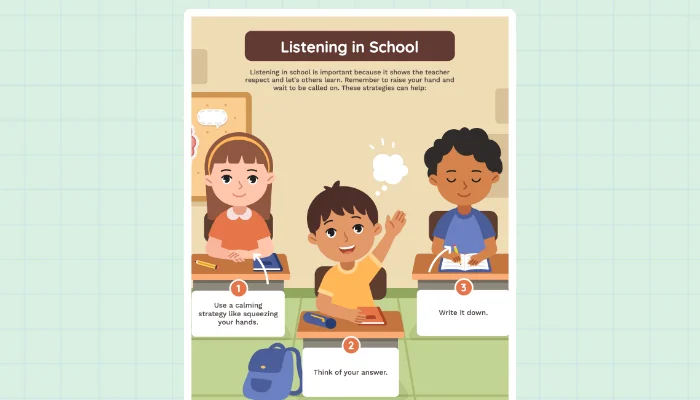
Listening in School Goal Poster
Grade Band: PreK through Elementary
A goal-focused visual that breaks down what listening looks like in a school setting. Abstract instructions like “pay attention” become concrete and visible. Post it where students can see it during lessons, transitions, or check-ins to reinforce the behavior in the moment.
How to use it:
- Use it as the basis for a first-week lesson: what does listening look like, sound like, and feel like?
- Reference it when redirecting students during instruction rather than issuing a general reminder.
- Pair it with self-monitoring by asking students to point to which listening behavior they are working on.
- Review it after a transition that did not go well as a low-key reset.
- Connect it to a goal-setting activity where students identify one listening behavior to focus on.
Download the Listening in School Goal Poster
Following Directions Goal Poster
Grade Band: PreK through Elementary
A classroom-ready visual that outlines the steps of following directions clearly and accessibly. Supports students who benefit from seeing expectations displayed rather than just stated, and gives educators a consistent reference for prompting and reinforcement throughout the day.
How to use it:
- Introduce it alongside a directions-following practice activity in the first week.
- Use it as a visual prompt when giving multi-step instructions: “Check the poster before we start.”
- Post it near frequently used areas like the supply station or door to catch students at the point of need.
- Reference it by step number: “We are on step two. Eyes on the speaker.”
- Revisit it as a class after a lesson where following directions was a challenge.
Download the Following Directions Goal Poster
Video Modeling Lessons
Video modeling is an evidence-based practice that shows students what a skill or routine looks like before they are asked to do it themselves. Each video is short, focused, and features age-appropriate student actors modeling real situations students face in the first weeks of school. Watch together as a class, then practice the skill or routine immediately after.
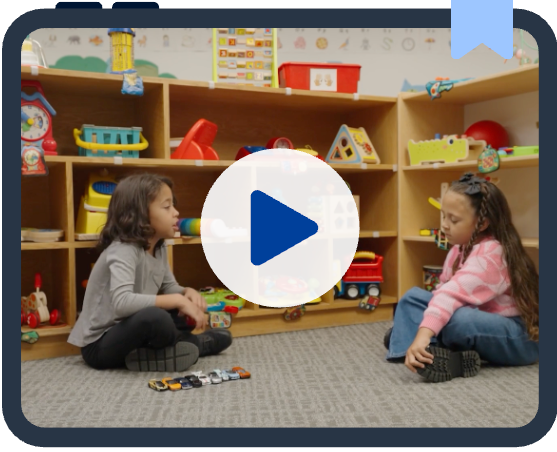
Making New Friends
Grade Band: Pre-K and Kindergarten
Young learners watch relatable characters navigate the first steps of making a friend: saying hello, finding something in common, and joining in. Built for the early school year when peer connection is both a priority and a challenge, this video gives students a concrete model to return to and talk about.
How to use it:
- Watch the video together during morning meetings or circle time in the first week.
- Pause after each step and ask: “What did they do there? What could you say instead?”
- Follow with a structured practice activity — pair students and give each pair a conversation starter to try.
- Reference the video during free play or unstructured time: “Remember what the characters did when they wanted to join in?”
- Revisit it mid-year when peer relationship issues come up.
Morning Meeting
Grade Band: Pre-K and Kindergarten
This video models what a morning meeting looks and feels like: how to participate, take turns, and show up ready to learn. A strong fit for the first weeks of school when routines are still being established and students need to see the expectation, not just hear it.
How to use it:
- Show the video on the first day before running the morning meeting for the first time.
- Ask students to name two things they noticed in the video that they will try during a real morning meeting.
- Use it as a reset tool after a holiday break or a particularly rough morning meeting week.
- For students who struggle with participation, use it one-on-one before the whole-group session.
- Post a visual summary of the morning meeting steps alongside this video introduction.
Time to Pack Up
Grade Band: Pre-K and Kindergarten
Packing up is a transition that requires focus, sequencing, and self-management from young learners. This video models the routine step by step, helping educators set clear expectations and giving students a mental picture of what it looks like before they are asked to do it.
How to use it:
- Show it before the first pack-up routine of the year, not after.
- Break down the steps together after watching: what happens first, second, third?
- Use a visual sequence chart alongside the video to reinforce the order.
- Practice the routine immediately after watching, keeping the pace calm and deliberate.
- Re-show it after school breaks when the routine has gotten sloppy.
Entering a Classroom
Grade Band: Elementary
Walking into a classroom involves more unspoken rules than students often realize. This video makes those expectations visible and teachable, showing students exactly how to enter, settle in, and signal that they are ready. Ideal for back-to-school sessions at the start of the year.
How to use it:
- Use it the morning before students enter the classroom for the first time.
- Discuss what students noticed: body language, where to look, what to do with materials.
- Practice entering the classroom as a group immediately after watching.
- For students who struggle with arrival routines, review it individually as a primer.
- Re-teach it after long breaks or when arrival has become disruptive.
Standing in Line
Grade Band: Elementary
A short, targeted lesson on one of the most common and frequently disrupted school routines. This video models the body language, spacing, and self-regulation that make lining up smooth for everyone. Works well as a whole-class anchor lesson or a quick re-teach after a rough transition.
How to use it:
- Watch it before the first time students line up for the year.
- Name the specific behaviors modeled: hands to self, eyes forward, appropriate spacing.
- Practice lining up immediately after and provide specific positive feedback on what went well.
- Keep it short. This video is designed for a quick watch-and-practice cycle, not an extended lesson.
- Re-show it after recess or lunch transitions that have been difficult.
Understanding My IEP
Grade Band: Middle and High School
Students who can speak to their own learning needs are more invested and more effective advocates. This video demystifies the IEP process. What it is, what it means, and why it matters, giving middle and high school students the language and confidence to participate in their own educational planning.
How to use it:
- Use it at the start of the year before IEP meetings or review sessions.
- Follow with a discussion: what part of your IEP do you understand well? What is still confusing?
- Pair it with a self-advocacy goal-setting activity for students entering a new school or grade level.
- For students attending their first IEP meeting, watch it together beforehand as preparation.
- Revisit it with students who are transitioning to post-secondary settings.
Hands-On Crafts and Activities
Hands-on back-to-school activities give students a chance to engage with the new year personally rather than just receive information about it. They build connections, surface what students care about, and help a classroom feel like a community from the first day.
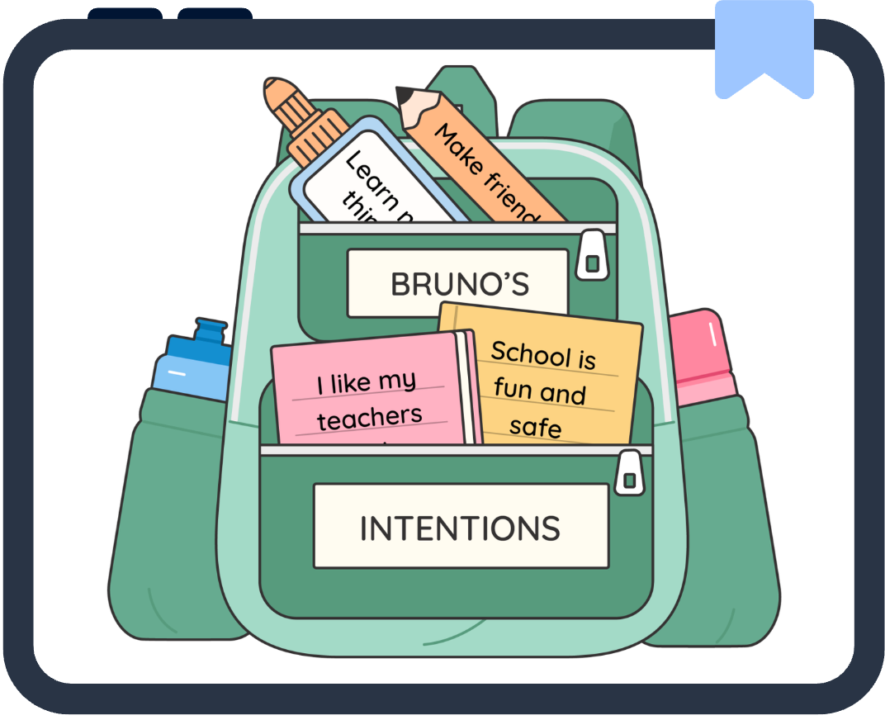
Back to School: Setting Positive Intentions
Grade Band: Elementary through High School
This activity guides students through naming what they want to bring to the new year, not just academically but socially. Structured around intention-setting rather than goal-setting, it gives students ownership over how they want to show up and creates a natural starting point for classroom community.
How to use it:
- Use it during the first week as a morning meeting or advisory activity.
- Model the process yourself first: share one intention you are bringing to the new school year.
- Give students time to think quietly before writing or drawing their intention.
- Invite students to share with a partner before any whole-group sharing.
- Post intentions on a classroom wall and revisit them at the midpoint of the year.
Download Back to School: Setting Positive Intentions
Driving into a New School Year
Grade Band: Elementary
Students personalize a bus template with their names, decorate it, and fill it with cut-out figures representing their classmates or teachers. An engaging first-week project that builds community and gets students thinking about the people around them from day one.
How to use it:
- Use it as a first-day or first-week activity when students are still learning each other’s names.
- Have students work in pairs to fill in figures for their partner first, then share with the group.
- Display completed buses on a classroom wall or bulletin board to celebrate community.
- For younger students, pre-cut the figures and focus the activity on decorating and naming.
- Use the buses as a conversation starter throughout the first week: “Tell me about someone in your bus.”
Download Driving into a New School Year
Back to School: My Next Chapter
Grade Band: Elementary through Middle School
Students draw and write about themselves, their interests, and a personal goal for the school year. This activity supports self-expression, reflection, and classroom belonging at a time when both matter most, and gives teachers a window into who their students are.
How to use it:
- Use it in the first week before or alongside other community-building activities.
- Give students enough time to think before they draw or write. Rushing this activity undercuts it.
- Encourage students to include something about themselves that others might not know.
- Display finished pages as a classroom “book” that students can flip through during free time.
- Use students’ goals and interests to personalize instruction and relationships throughout the year.
Download Back to School: My Next Chapter
Ready to Grow: Back to School Activity
Grade Band: Elementary
Students reflect on goals for the back-to-school season with their favorite plant characters. A visual, hands-on craft that connects effort to growth and gives students ownership over something they want to improve, making it a natural conversation starter throughout the first week.
How to use it:
- Use it toward the end of the first week once students feel more settled.
- Connect the plant metaphor to your classroom culture: what do we need to grow here?
- Have students identify one specific skill or habit, not a general aspiration.
- Display the plants together as a classroom growth garden.
- Revisit the activity mid-year and ask students whether their “plant” has grown.
Download Ready to Grow: Back to School Activity
Roll and Reflect: Ready to Learn
Grade Band: Elementary through Middle School
A dice-rolling activity where each side presents a scenario related to the classroom. Students reflect on what to do in various situations, practicing behavioral expectations without the pressure of being put on the spot.
How to use it:
- Use it during the first week as a small-group or whole-class game.
- After each roll, give students a moment to think before sharing their response.
- Use scenarios that come up to spark broader class discussion about expectations.
- For students who need more support, allow partner responses before individual sharing.
- Revisit it at the start of a new unit or after a break to re-establish classroom norms.
Download Roll and Reflect: Ready to Learn
Social Skills Quiz Show: School Behavior
Grade Band: Elementary through Middle School
Students test their knowledge of school behavior expectations in a game-show format. Common scenarios students will actually face are covered in a competitive, structured format that makes revisiting behavioral expectations feel like an activity rather than a lecture.
How to use it:
- Use it during the first week after initial routines and expectations have been introduced.
- Run it as a whole-class game with teams to keep energy high.
- After each question, briefly discuss why the answer matters in a real school situation.
- Use incorrect answers as a low-stakes opportunity to clarify expectations without singling anyone out.
- Return to it later in the year when specific behavioral areas need a reset.
Download Social Skills Quiz Show: School Behavior
How to Use These Back-to-School Activities in Your Classroom
Back-to-school activities work best when they are used intentionally across the first two weeks, not all at once on the first day. Each of the three formats serves a different purpose and fits into the school day in different ways.
- Post visual supports on day one and introduce them actively. Walk students through the poster rather than just pointing to it. Return to it during transitions, after a rough period, or as part of a morning routine.
- Use video modeling lessons as whole-class anchor lessons before introducing a new routine. Watch together, discuss what students noticed, then practice the routine immediately after.
- Spread hands-on crafts and reflection activities across the first week rather than front-loading them. They work well as community-builders during transitions, morning meetings, or advisory periods.
- Revisit any of these materials after school breaks, during rough stretches, or when a specific routine needs a reset. The investment in the first weeks pays off when re-teaching only takes a few minutes.
These activities work in whole-class settings, small-group instruction, and individual sessions. Most require no prep beyond downloading and printing or queuing up a video.
Start the Year Right With Free Back-to-School Activities
The first weeks of school are the best opportunity you have to build the routines and relationships that carry students through the year. Visual supports keep expectations visible all year long. Video modeling lessons show students exactly what is expected before they are asked to do it themselves. Hands-on activities give students a chance to connect, reflect, and settle into the new year in a way that feels personal rather than procedural.
All 15 of these free back-to-school activities are available in one download. Use them together as an opening unit or pull individual resources as the need arises. Either way, they are ready to go from day one.
Get all 15 activities in one place
Download 15 free back-to-school activities and have everything ready before the first bell rings.