Try This Problem-Solving Game for Kids: Social Road Race


Social Road Race: Solving Problems with Friends
Help students work through common friendship problems by identifying problem size, thinking through actions and consequences, and choosing effective solutions with this engaging game.
Helping kids solve problems with friends can be one of the most challenging parts of social skills instruction.
In the moment, small peer conflicts often escalate quickly. Students may react emotionally before slowing down to think through what is happening or how their choices might affect others. While many kids can explain what they should have done after the fact, applying problem-solving strategies during real interactions is much harder.
Related resources: See our full list of social skills games.
Problem-solving with friends is not an instinctive skill. It requires explicit instruction and repeated practice in situations that feel realistic to students. For educators, this can be difficult to provide within limited instructional time. Talking through scenarios or offering reminders is often not enough to help skills transfer to real-life friendships.
This is why structured, interactive practice matters. When kids are given opportunities to work through common social problems, consider different choices, and reflect on outcomes, they are better prepared to handle similar situations outside of instruction.
In this post, we will explore what problem solving looks like for kids, how to help students practice solving problems with friends, and how a problem-solving game for kids can support this type of instruction in a practical, engaging way.
What Does Problem Solving Look Like for Kids?
Problem solving for kids starts with recognizing that there is a problem and slowing down enough to think before reacting. In social situations, this can be especially difficult. Emotions often take over, making it harder for students to pause, consider their choices, and decide how to respond in a way that actually helps the situation.
These challenges most often show up during everyday interactions with peers. Disagreements with friends, hurt feelings, or conflicts during games and group work are common situations where kids need these specific problem-solving skills.
For example, a student might feel frustrated when a friend doesn’t share, when someone changes the rules of a game, or when a peer says something unkind. Without support, students may react impulsively or escalate the problem.
Effective problem solving means identifying what the problem actually is, thinking about how different choices could affect others, and choosing a solution that helps resolve the situation while maintaining relationships. These skills do not develop through reminders alone.
Kids need explicit instruction and repeated opportunities to practice problem solving in realistic situations so they can apply these strategies when conflicts arise with friends.
How to Help Kids Practice Problem Solving With Friends
The goal of teaching problem solving with friends is to help kids slow down and think through social problems before reacting. When students are supported in pausing and considering their options, they are better able to make choices that reduce conflict and protect friendships.
An effective way to teach this skill is by using realistic peer conflict scenarios. When students are presented with situations they recognize, they are more likely to engage and reflect honestly.
Guided practice is key.
Students benefit from being asked to make decisions, talk through their reasoning, and consider what might happen next. Pausing to reflect on outcomes and alternative choices helps students connect their decisions to actual consequences.
Games can support this instructional approach by providing structured scenarios and clear decision points. Instead of simply talking about problem solving, students are actively involved in the process and given natural opportunities for discussion.
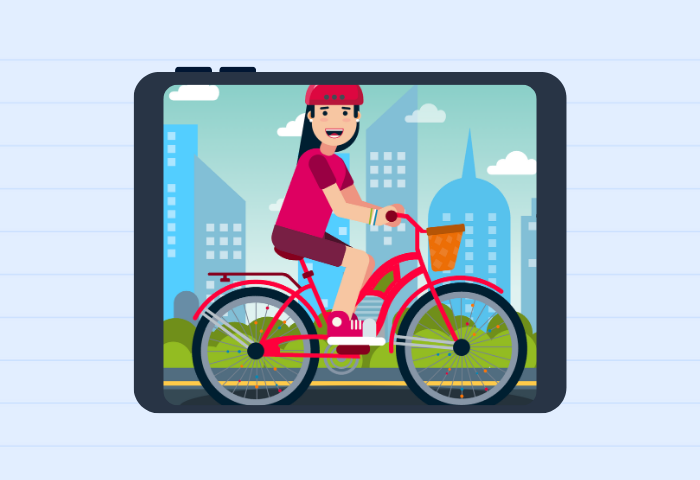
Social Road Race is one example of a problem-solving game for kids that fits this model. It allows students to work through common friendship challenges in a guided, interactive format and can be used easily in small groups or during social skills instruction.
Why Games Are Effective for Teaching Problem Solving Skills
Many kids struggle to apply problem-solving strategies in the moment. When emotions are high, students often react before thinking through their options.
Traditional approaches to teaching problem solving can fall short for this reason. Talking through strategies or giving general reminders does not always translate to real interactions with peers. Without opportunities to practice, students may understand what they should do but struggle to apply those skills when conflicts actually arise.
Games help bridge this gap by giving students active, hands-on practice with problem solving. Instead of passively listening, students are asked to make decisions, consider consequences, and reflect on different outcomes.
Games provide a safe way to explore social consequences without real-world fallout, which makes it easier for students to pause, think, and learn from their choices.
For educators, games also offer an efficient and engaging way to teach the problem-solving skills that they need their students to develop. They create built-in structure for discussion, keep students motivated, and make it easier to fit meaningful practice into limited session time.
How Social Road Race Helps Kids Solve Problems With Friends
Social Road Race is designed to support the core skills students need to solve problems with friends. Through guided scenarios, students practice social problem-solving by identifying what is happening, considering different perspectives, and thinking through how their choices may affect others. This structure encourages students to move beyond impulsive reactions and engage in more thoughtful decision-making.
The game breaks down problem-solving into clear, manageable steps. Students are prompted to identify the problem, evaluate possible actions, and consider the consequences of each choice before selecting a solution.
By slowing the process down, Social Road Race helps students understand how actions and outcomes are connected, which is an essential part of effective problem-solving.
Over time, this kind of structured practice can build student confidence. As students become more familiar with thinking through social problems in a guided setting, they are better prepared to handle peer conflict in real-life situations. Practicing these skills through gameplay helps students approach friendship challenges with greater awareness and flexibility.
Teaching Problem Solving With Friends Using Games
Problem solving with friends is a skill that needs to be taught, practiced, and revisited over time. Without structured support, many students struggle to apply problem-solving strategies during real peer interactions, especially when emotions are involved. Providing intentional opportunities to practice these skills helps students build confidence and make more thoughtful choices.
Social Road Race offers a practical, no-prep way to support this instruction. By guiding students through common friendship challenges, the game helps reinforce problem-solving steps in a format that is easy to use during social skills instruction or small groups.
Play Social Road Race to give students meaningful practice with solving problems with friends, and explore additional problem-solving and friendship skills resources to continue building these skills across sessions.