

Coping Skills for Kids: Changing the Channel When Upset
This session teaches coping skills for kids, helping students notice when a feeling like embarrassment or disappointment takes over and Change the Channel with a calming strategy. Through a short video, a discussion about not winning a class vote, and a movement game where they take a side and explain their thinking, students practice catching a strong emotion early. The takeaway: a feeling can shift so they stay in control of how they respond.

 Extension activity
- Skill
- Emotional Recognition
- Goal
- Changing the Channel on Feelings
- Grade level
- Elementary School
Get everything you need to teach the skill
These materials are part of a no-prep session designed by our clinical team, with all the structure, scaffolding, and support you need to teach included.
Engaging materials
 Video modeling lesson
Changing the Channel When we Feel Upset
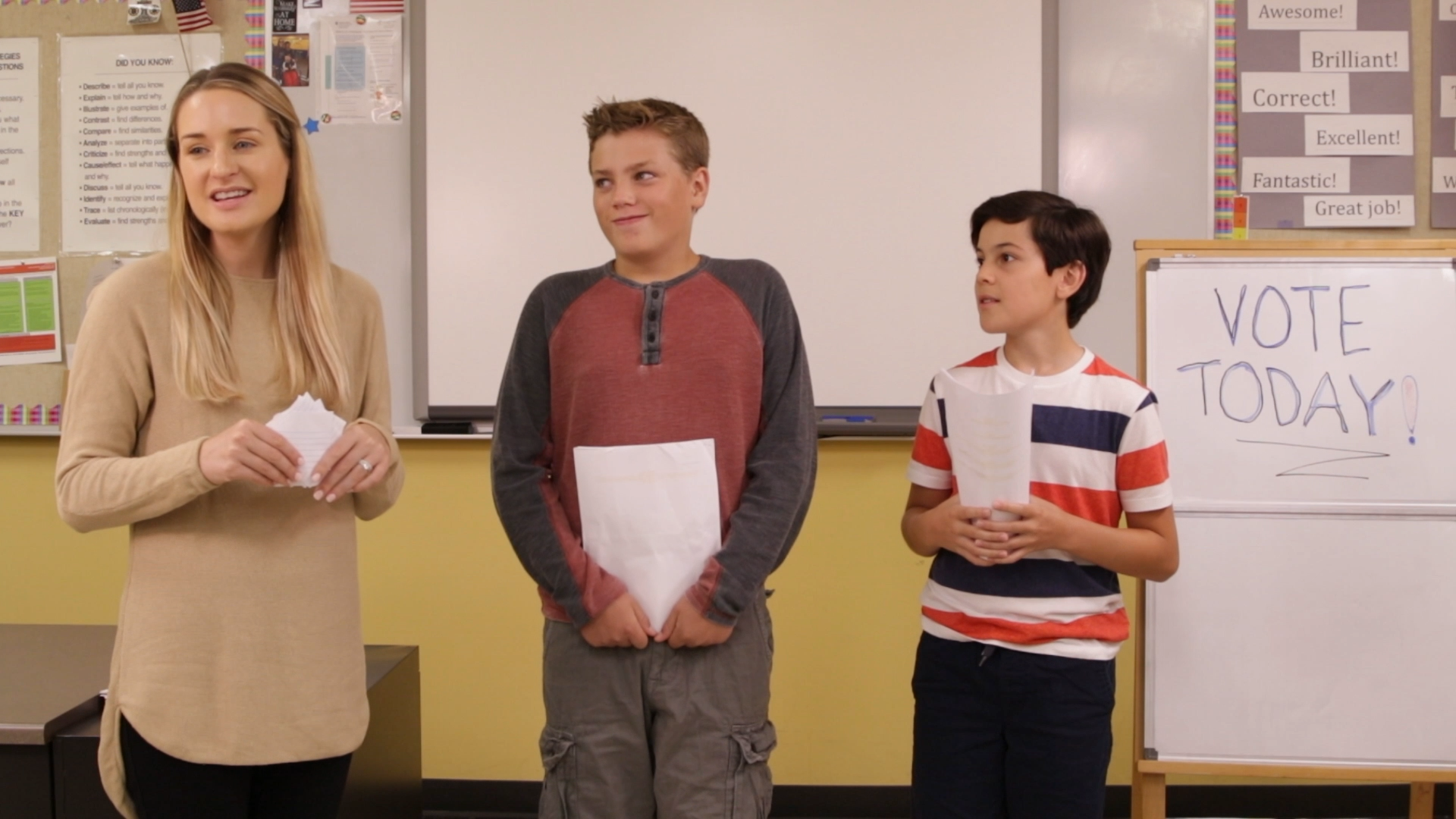
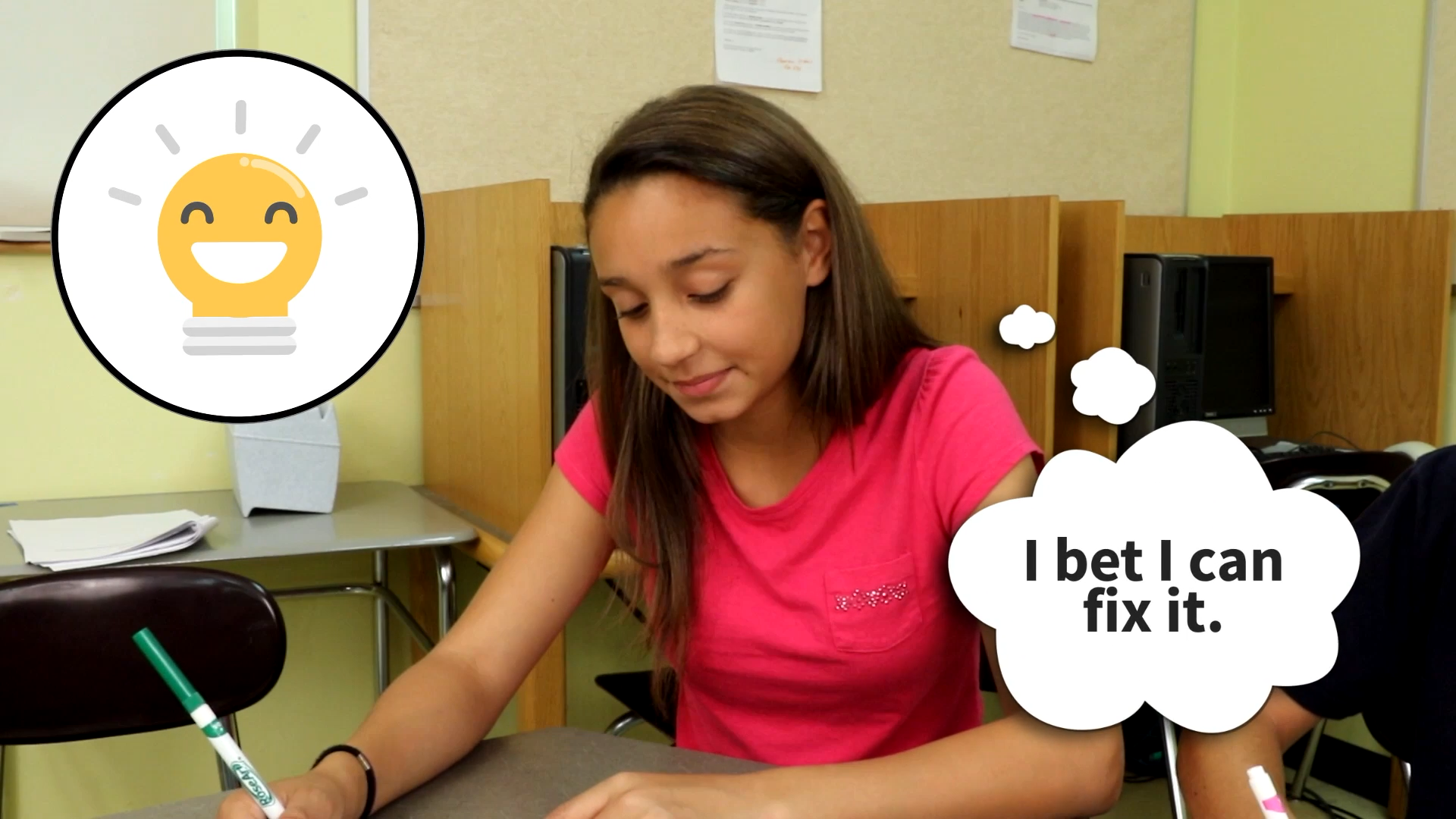
Niko learns to Change the Channel on his embarrassment when he didn't get what he wanted. He learns to put a calming strategy in place so that he can remain in control during an emotional time. We see him Change the Channel by using positive thinking.
- Extension activity
Interactive Worksheet: Understanding Your Emotions
Students read through scenarios that trigger different emotions and decide how to handle them.
Plus everything you need to teach them
Warm-up
- Video: Hot Cocoa Breathing2:05
- Video: Daily Intention2:59
- Video: Body Squeeze2:12
Session Opener
Guiding Question: What does it mean to Change the Channel on a feeling?
Practice
- Discussion Question
- Role-Play Activity
- Mini Game
How to use it with your students
- 1Watch Play the video modeling lesson so students see the skill in action.
- 2Practice Try the skill together with a discussion prompt, role-play, or mini game.
- 3Extend Use the extension activity to help students carry the skill further.
What's Covered
In this lesson, students learned how to notice when a strong feeling like frustration or sadness was starting and Change the Channel by thinking about something new or positive. They practiced naming the feeling first and giving themselves a little time before responding.
Key Terms
- Change the Channel
- Change the Channel is a strategy for when a strong feeling starts to take over. You notice and name the feeling, then choose something to help your body and mind feel calmer, like taking a break, using deep breaths, or shifting your thoughts before responding.
- Calming Strategy
- Something you do to shrink a big feeling, like taking slow breaths, walking to a calm spot, or tensing then relaxing your muscles. You use it when you notice a strong feeling starting so it doesn't get too big.

Sample IEP Goal This Session Supports
-
Changing the Channel on Feelings
When experiencing strong emotions such as jealousy, disappointment, frustration, or embarrassment, learner will use a self-selected coping strategy (e.g., taking a break, positive self-talk, deep breaths) to manage the feeling and return to the task or interaction in 4 out of 5 opportunities independently/given X prompt(s).
Send this tip home to support generalization
At home or in the classroom, when a student starts to feel upset, try offering one new thought together, such as something they are looking forward to. Naming the feeling first can make that shift easier.
Ready to teach Changing the Channel When Upset?
Get the video, activity and discussion materials with zero prep.
Get These Materials Free
More Emotional Recognition Activities

Frequently asked questions
Is this intervention free?
Yes, this ready-to-teach session on Changing the Channel When Upset is free. You can access this intervention free for 14 days through the Everyday Speech Session Library. Every user gets three free sessions, but you can get more or extend your access by sharing the Session Library with friends and colleagues.
What ages is this for?
These materials are designed for elementary school students.
What's included?
You'll get access to your choice of warm-up videos, a session opener, a core material on Changing the Channel When we Feel Upset, three practice prompts, and an extension activity, Interactive Worksheet: Understanding Your Emotions.
What skill does this intervention teach?
This ready-to-teach session is on emotional recognition - more specifically, changing the channel on feelings.
Get access to the full curriculum
A no-prep social skills curriculum with a full scope and sequence that builds student skills over time. MTSS-aligned across every tier, with 400+ whole class lessons and 800+ ready-to-teach sessions.
Start a 30-Day Free Trial
