How to Teach Social Skills Using a Neurodiversity-Affirming Approach


Teaching social skills has long been part of the work of student support teams.
Speech-language pathologists, counselors, psychologists, and special educators are regularly asked to help students navigate conversations, group work, peer relationships, and classroom expectations.
But many educators are pausing to ask an important question:
Are we teaching social skills in ways that truly support students, or are we unintentionally asking them to change who they are in order to fit in?
A neurodiversity-affirming approach to social skills instruction offers a clear shift. Instead of prioritizing compliance or teaching a single “right” behavior, this approach centers autonomy, safety, and authentic expression.
The goal is not to make students appear more typical. The goal is to give them tools to understand themselves, communicate their needs, and navigate social situations in ways that feel sustainable and respectful.
Free Resources Mentioned in This Article
If you’re looking for practical tools to support neurodiversity-affirming social skills instruction, explore the free resources below.
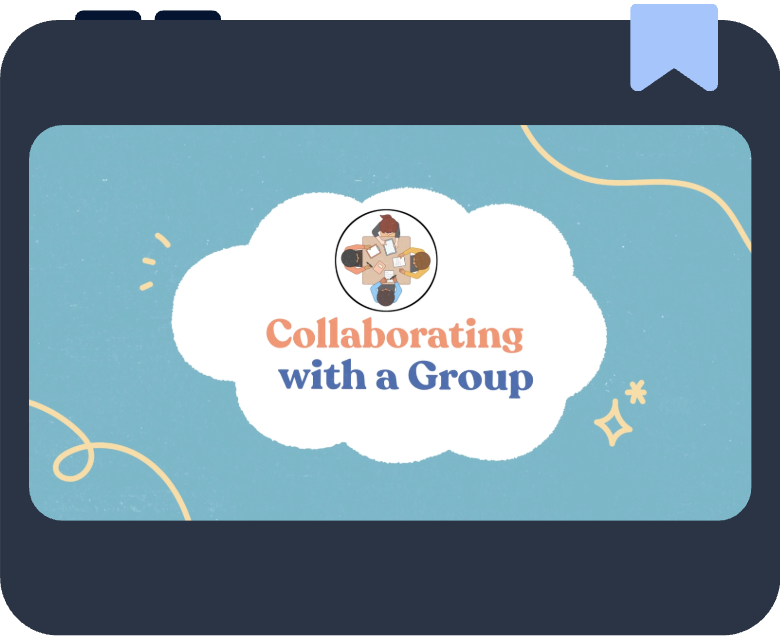
1. Collaborating with a Group [Video Modeling Lesson]
A structured video modeling lesson that shows multiple ways students can participate in group work while honoring different communication styles.
Download the Free Lesson
2. Feeling Comfortable While Talking [Video Modeling Lesson]
A video modeling lesson that helps students explore conversation participation strategies that feel authentic and comfortable.
Download the Free Lesson
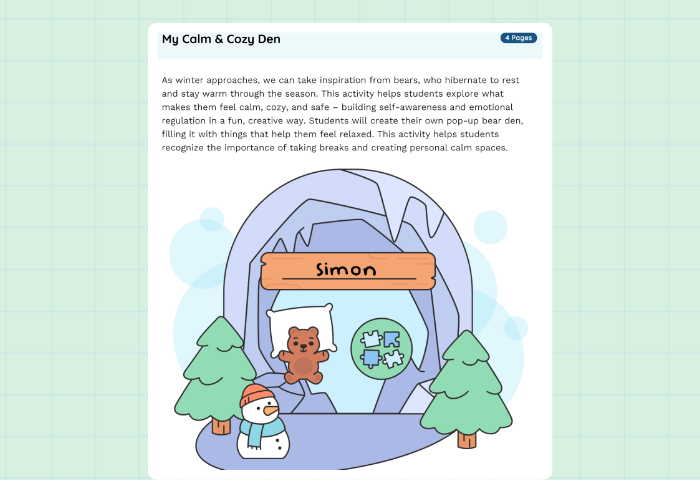
3. My Calm & Cozy Den [Printable Activity]
A reflective activity that helps students identify what makes them feel calm, safe, and regulated.
Download the Free Activity
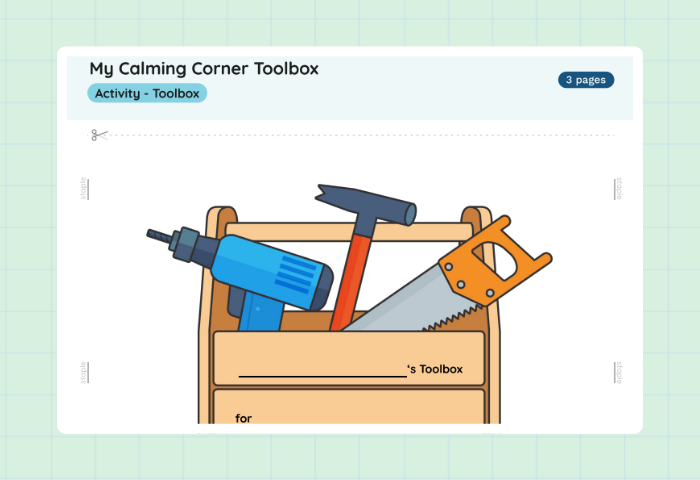
4. My Calming Corner Toolbox [Printable Activity]
A printable tool that supports students in identifying regulation strategies they can use across school environments.
Download the Free Activity
5. Neuro-Affirming Teacher Starter Guide [Professional Guide]A practical guide to shifting language, instructional practices, and classroom supports to better honor student autonomy and authentic expression.
Download the Guide
What Neurodiversity-Affirming Social Skills Instruction Looks Like In Practice
A neurodiversity-affirming approach recognizes neurological differences as a natural part of human diversity. In social skills instruction, this means moving away from deficit-based thinking and toward curiosity, collaboration, and respect.
In practice, neurodiversity-affirming social skills instruction emphasizes:
- Respecting different communication and regulation styles
- Offering meaningful choices instead of rigid expectations
- Teaching the purpose behind social expectations, not just the rules
- Supporting students in identifying what feels safe and comfortable for them
- Treating student needs as information, not problems to fix
This shift does not mean removing structure or lowering expectations. It means aligning instruction with how students actually experience social situations and interact with the world around them.
Moving From Compliance to Connection in Social Skills Instruction
Traditional social skills instruction often prioritizes observable behaviors. Students may be taught to make eye contact, sit still, or follow group rules without context.
While these expectations are usually well-intentioned, they can unintentionally send the message that students must perform certain behaviors in order to be accepted.
A neurodiversity-affirming approach reframes social skills as tools for:
- Self-expression
- Emotional and physical safety
- Regulation
- Building and maintaining relationships
Instead of asking, “Did the student do the expected behavior?” educators can ask:
- Does the student understand the goal of the interaction?
- Do they have options for how to participate?
- Do they know how to ask for support if something feels uncomfortable?
- Are they able to advocate for their needs?
When social learning is framed this way, students are not learning how to comply. They are learning how to connect.
Teaching Social Skills Through Choice And Autonomy
Choice is a foundational component of neurodiversity-affirming instruction. Students benefit when they are given options for how to engage, communicate, and respond.
This can look like:
- Offering multiple ways to show engagement or listening
- Presenting different strategies for handling the same social situation
- Allowing students to decide which option feels best for them in the moment
- Normalizing that preferences can change depending on context or energy level
Choice helps students build self-awareness and reduces the pressure to mask or imitate others. It also increases buy-in, particularly for students who have experienced social skills instruction as corrective or uncomfortable in the past.
A video modeling lesson like Collaborating with a Group can help students see multiple ways to participate while honoring different communication and participation styles.
Using Video Modeling In Neurodiversity-Affirming Social Skills Instruction
Video modeling can be a powerful instructional tool when it is used intentionally. Within a neurodiversity-affirming framework, video models are not examples to copy. They are opportunities to explore possibilities.
Neurodiversity-affirming video modeling:
- Highlights multiple ways to navigate the same situation
- Names preferences explicitly, such as “some people prefer” or “some people need”
- Reinforces that there is no single correct response
- Encourages reflection rather than imitation
After watching a video, educators might ask:
- Which option felt most comfortable to you?
- Is there another way someone might handle this?
- What would work best for you in this situation?
These questions shift the focus from performance to understanding.
Free Video Modeling Lesson to Try: Feeling Comfortable While Talking
This video modeling lesson highlights multiple ways students can participate in conversations and reflect on what feels comfortable for them.
Reframing Goals Within Neurodiversity-Affirming Social Skills Instruction
Neurodiversity-affirming instruction also shows up in how goals are written and taught. Rather than targeting specific behaviors in isolation, goals can focus on understanding, strategy use, and self-advocacy.
For example:
- Instead of targeting eye contact, focus on identifying ways to show engagement that feel comfortable
- Instead of “follows group rules,” focus on understanding group expectations and asking for support when needed
- Instead of compliance-based language, use language that emphasizes choice and reasoning
This approach helps students generalize skills across settings and understand why social expectations exist, not just how to follow them.
Supporting Authentic Communication and Regulation
Social interaction is closely tied to communication and regulation. A neurodiversity-affirming approach recognizes that students may communicate and regulate in different ways, and that those differences deserve respect.
This includes:
- Supporting AAC and multimodal communication
- Acknowledging different sensory and regulation needs
- Offering alternatives to verbal responses or rapid turn-taking
- Avoiding practices that pressure students to suppress natural communication styles
When students are given consistent permission to communicate in ways that work for them, they are more likely to participate meaningfully and advocate for their needs.
Try This With Your Students: My Calm & Cozy Den (Free Activity)
If you are looking for a structured way to support authentic communication and regulation, this printable activity helps students identify what makes them feel calm, safe, and comfortable.
Students will:
• Reflect on sensory preferences
• Identify calming supports
• Practice expressing their needs
• Build language for self-advocacy
Practical Tools For Neurodiversity-Affirming Social Skills Instruction
Educators do not need to overhaul everything to begin shifting their approach. Small, intentional changes in language and materials can make a meaningful difference in how students experience social learning.
Helpful supports include:
- Visual materials that present multiple options for participating or responding in social situations
- Scripts and models that emphasize autonomy and self-advocacy, such as naming needs or asking for support
- Sensory and communication preference profiles that help adults understand what supports a student’s regulation and engagement
- Materials that demonstrate multiple pathways for navigating the same situation
- Consistent, affirming language that frames strategies as options rather than requirements
Using phrases like “you could try” or “a couple of options are” immediately lowers pressure and helps students feel safer exploring what works best for them.
Put This Into Practice: My Calming Corner Toolbox (Free Activity)
One way to offer students consistent, affirming regulation support is through structured reflection tools like My Calming Corner Toolbox.
This printable activity helps students:
• Identify tools that help them feel calm and grounded
• Reflect on environmental and sensory preferences
• Build language to communicate their regulation needs
Consistency Across Student Support Teams
Neurodiversity-affirming social skills instruction is most effective when students hear consistent messages across roles and settings. When SLPs, counselors, teachers, and psychologists use similar language around choice, autonomy, and advocacy, students do not have to relearn expectations in every environment.
This approach fits naturally within MTSS frameworks:
- At the universal level, affirming language can be embedded in classroom instruction
- At the targeted level, goals and social skills interventions can prioritize autonomy and strategy use
- At the individualized level, supports can align with a student’s specific sensory and communication profile
Consistency helps students feel safe, understood, and supported across the school day.
Why Neurodiversity-Affirming Social Skills Instruction Matters
Social learning is most powerful when students feel valued, respected, and supported. When instruction prioritizes compliance, students may learn how to perform expected behaviors, but not how to understand themselves or navigate real-world situations.
Free Download: Neuro-Affirming Teacher Starter Guide
Make meaningful shifts in your language, materials, and instructional approach with this practical starter guide.
A neurodiversity-affirming approach helps students:
- Build authentic relationships
- Advocate for their needs
- Navigate social expectations without sacrificing their identity
- Develop skills that extend beyond the classroom
For educators, it provides a clearer and more compassionate framework for teaching social skills in ways that align with how students actually experience the world.