Example Video Modeling Lessons for Social Skills
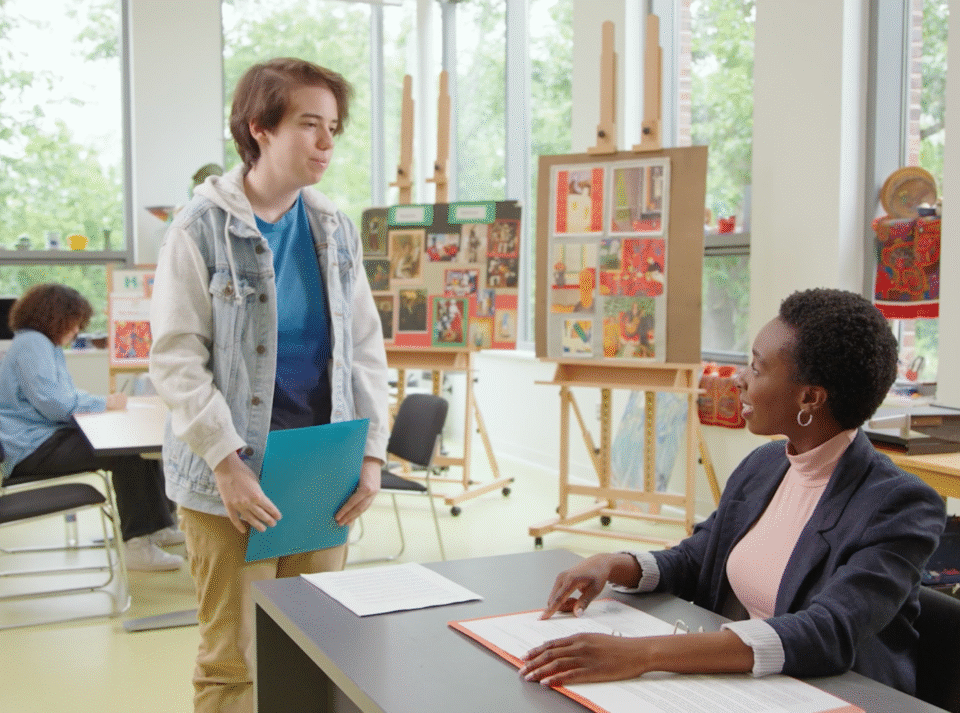
Below are examples of video modeling lessons that support social skills development across age levels. Each video shows students what a skill looks like in action, helping them connect language, behavior, and outcomes in real-world situations.
Pre-K / Kindergarten Examples
Taking a Break When You Need It
This video models how young learners can recognize when they need a break and use appropriate language or actions to step away and reset.
Getting Rid of Worries
Students watch a simple, age-appropriate example of identifying worries and using calming strategies to feel more at ease.
Staying Calm When I’m Angry
This lesson models self-regulation strategies, such as deep breaths or taking a break, to stay calm when big feelings take over.
How Do I Know I Feel Upset?
Learners observe clear visual cues, facial expressions, and body signals to help them identify when they are feeling upset.
Thinking About Others’ Feelings
This video models how young learners can notice others’ emotions and begin responding with empathy and care.
Entering a Classroom
This lesson models expected classroom entry routines, including following directions, transitioning calmly, and preparing to learn.
Learning to Try My Best
Learners watch examples of persistence, effort, and positive self-talk when tasks feel challenging.
Elementary Examples
Keeping an Open Mind – Introduction
Students learn what it means to keep an open mind and why flexibility matters in social and learning situations.
Self-Controller Scanner – Introduction
This video models how students can check in with themselves to notice emotions, body signals, and readiness to learn.
Checking In With Yourself
Learners explore self-monitoring, an essential executive functioning skill that helps them pause, check in, and reflect on their progress.
Ways to End a Conversation
This lesson models appropriate and polite ways to wrap up a conversation, helping students exit interactions smoothly.
We All Have Feelings
Students observe scenarios that highlight different emotions and learn that everyone experiences feelings differently.
Bus Behavior Basics
This video models expected behavior in a shared space, including listening to adults, respecting others, and following routines.
I Can Do It Myself
Learners watch examples of using independence, persistence, and problem-solving instead of immediately seeking help.
Balloon Breathing
This lesson models a simple breathing strategy students can use to calm their bodies and regulate emotions.
Finding Strategies That Work for You
Students learn that different strategies work for different people and see examples of choosing tools that fit their needs.
Advocating in the Classroom
This video models how students can respectfully ask for help, clarification, or support during learning activities.
Compromising With Others
Learners observe how to share ideas, listen to others, and find a fair solution during disagreements.
Middle & High School Examples
Advocate for Your Learning Accommodations
This lesson models how students can self-advocate by understanding their needs and communicating accommodations appropriately in academic settings.
Self-Advocacy
Students see clear, structured examples of self-advocacy skills supported by direct modeling and practice.
Being an Employee
Students watch examples of workplace expectations, including professionalism, following directions, and interacting respectfully with supervisors and peers.
Standing Up to Bullying
This lesson models assertive, appropriate responses to bullying while prioritizing safety and self-respect.
When the Little Things Feel Big
Students observe strategies for managing strong emotions and stress when small challenges feel overwhelming.
Showing Empathy
This video models how to recognize others’ perspectives and respond with empathy in social situations.
Listening to Others’ Ideas
Students learn how to listen respectfully, consider different viewpoints, and respond appropriately in group settings.