

Cognitive Flexibility for Teens: Mental Flexibility
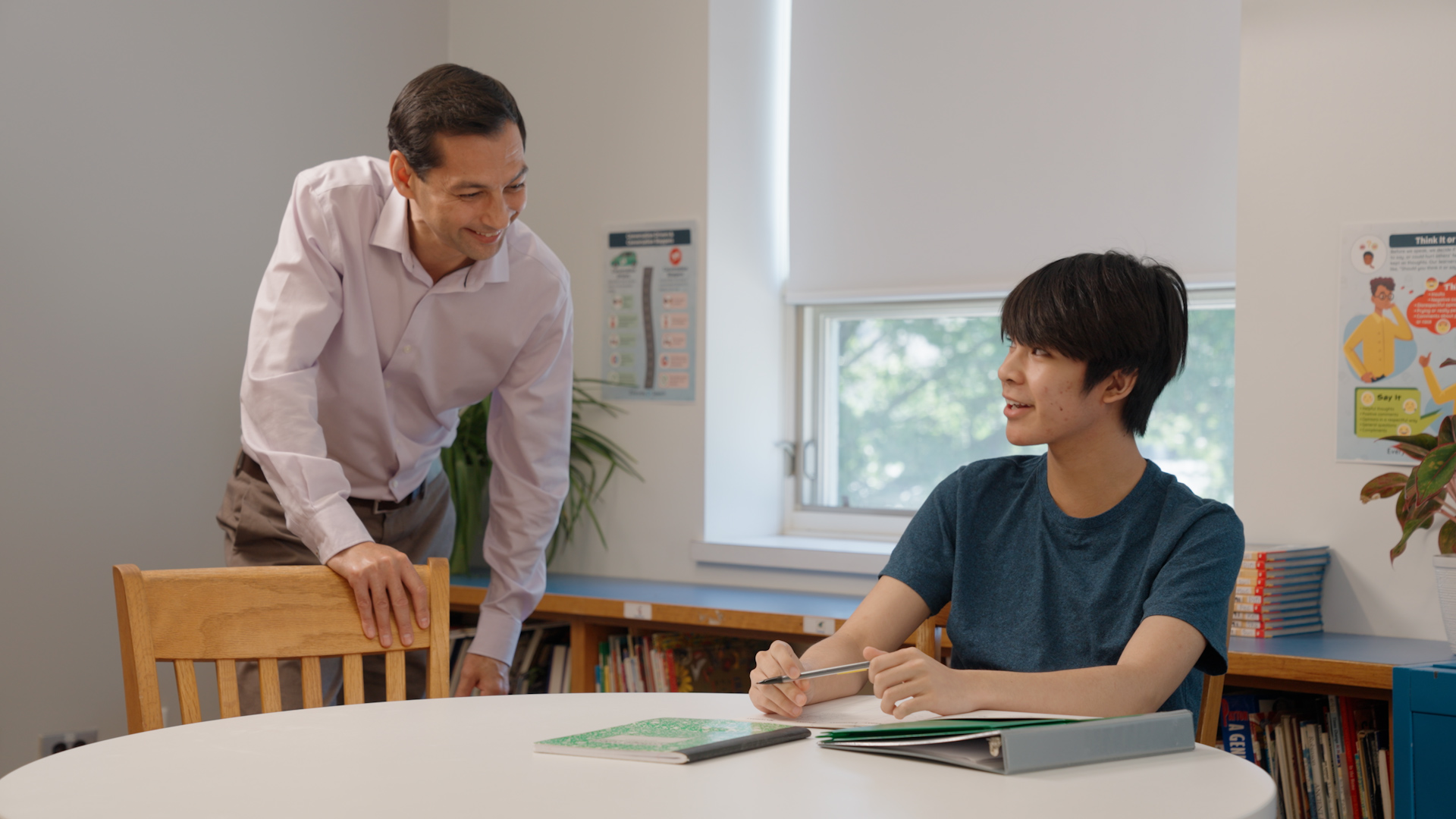
This session includes cognitive flexibility activities, helping older students adjust when plans change and see a situation from more than one angle. Students explore why flexibility matters, then discuss what helps when a schedule shifts unexpectedly, like a study period becoming a group activity. In a quick game, they practice arguing for what another person might be thinking or feeling, even when they disagree. The payoff is more comfort with the unexpected.

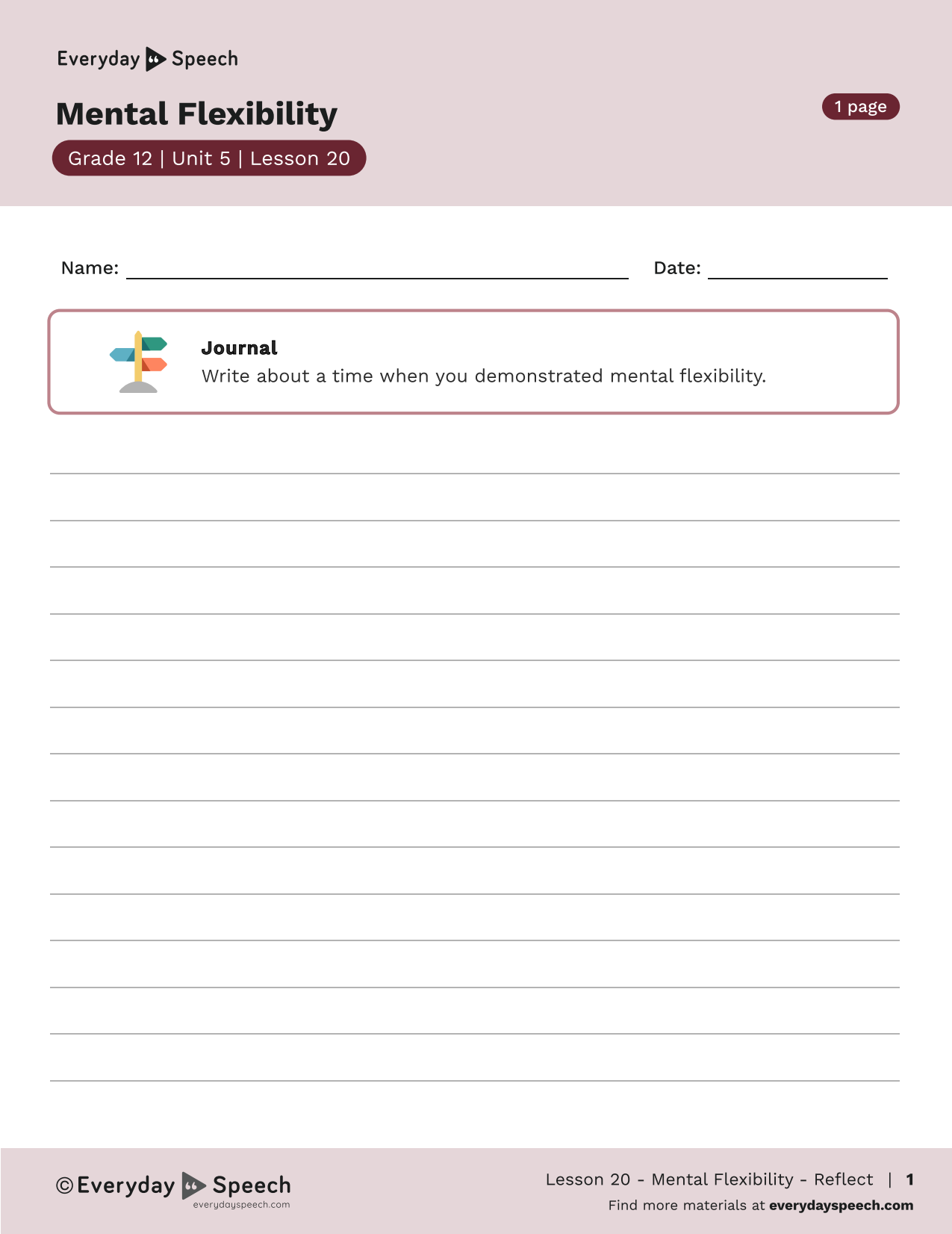 Extension activity
- Skill
- Self-Regulation
- Goal
- Executive Functioning
- Grade level
- Middle & High School
Get everything you need to teach the skill
These materials are part of a no-prep session designed by our clinical team, with all the structure, scaffolding, and support you need to teach included.
Engaging materials
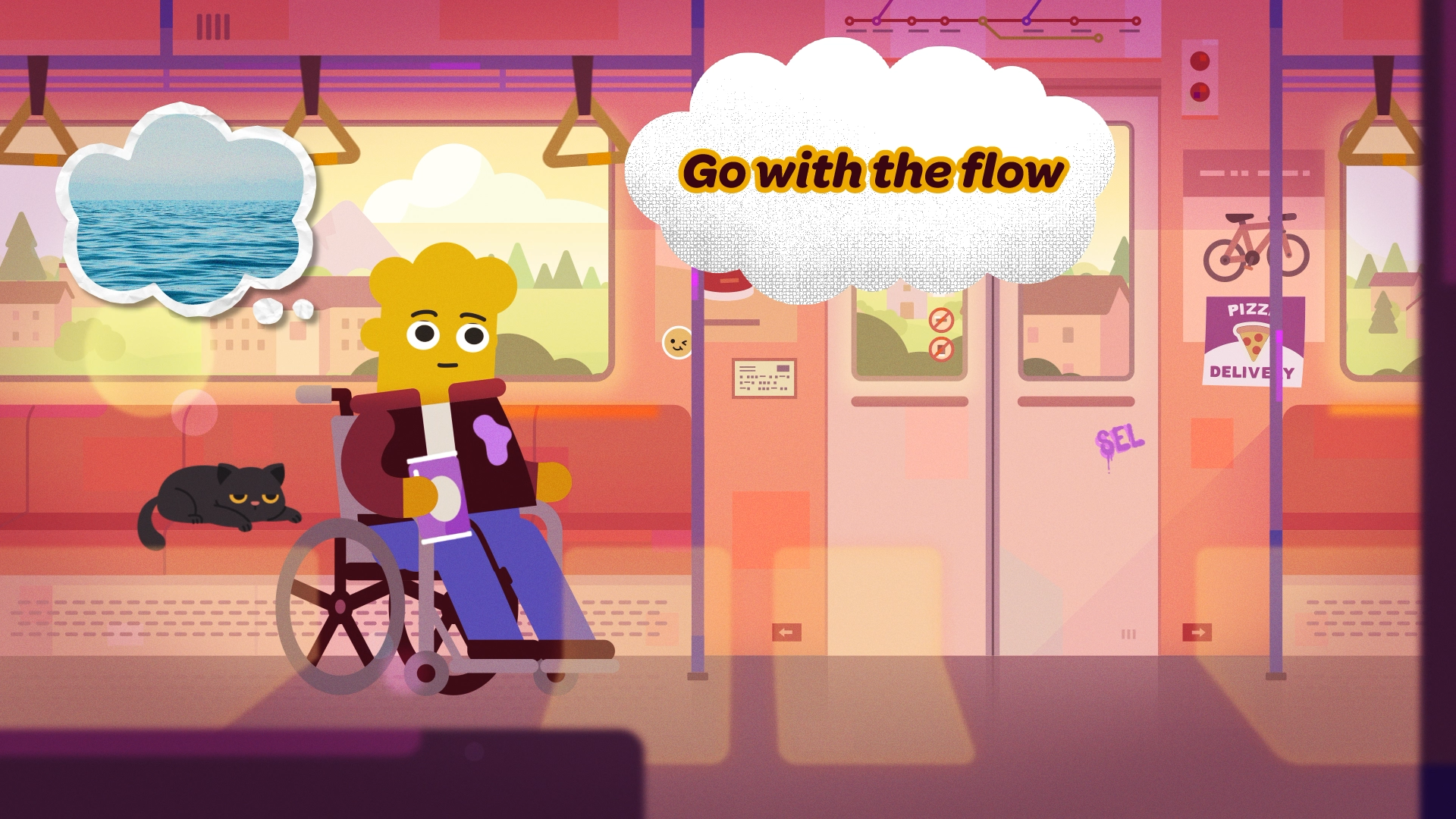 Video lesson
Mental Flexibility
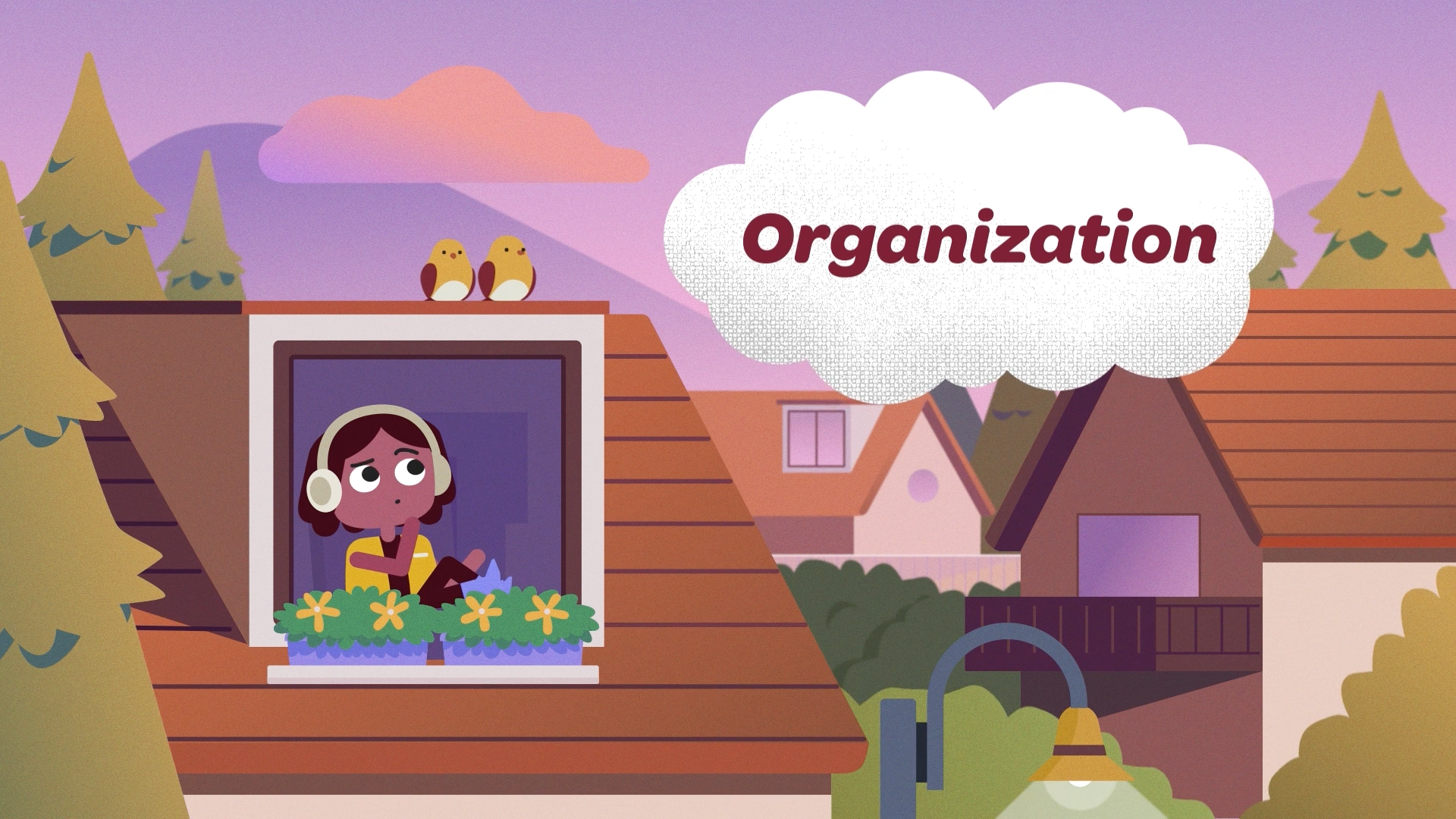
In this video lesson, students learn how to adapt when things don't go as planned by living in the moment, practicing empathy and self-compassion, and staying in touch with their values.
- Extension activity
Mental Flexibility Journal
In this journal activity, students write about a time they showed mental flexibility, reflecting on how adapting their thinking helped them handle a change.
Plus everything you need to teach them
Warm-up
- Video: 4-7-8 Breathing2:13
- Video: Obstacles into Opportunities Visualization1:19
- Video: Yoga Pose Library
Session Opener
Guiding Question: Why does mental flexibility matter?
Practice
- Discussion Question
- Role-Play Activity
- Mini Game
How to use it with your students
- 1Watch Play the video lesson so students see the skill in action.
- 2Practice Try the skill together with a discussion prompt, role-play, or mini game.
- 3Extend Use the extension activity to help students carry the skill further.
What's Covered
In this lesson, students learned about mental flexibility, which is the ability to shift from one way of thinking to another when things do not go as planned. They practiced noticing when their thoughts or reactions were not serving them and adapting to unexpected changes. They also explored how seeing a situation from someone else's perspective can help them stay flexible instead of feeling stuck.
Key Terms
- Mental Flexibility
- Your brain's ability to switch from one way of thinking to another when plans change. Instead of getting stuck, you stay present and adapt to unexpected events.
- Go With the Flow
- Adjusting your thinking when plans change instead of getting stuck on how things were supposed to go. You stay present and adapt to the new situation rather than pushing against it.

Sample IEP Goal This Session Supports
-
Executive Functioning
Given a multi-step task, learner will use at least one self-selected organizational strategy (e.g., visual planner, breaking the task into steps, visual timer) to initiate and work through the task with decreasing adult support in 4 out of 5 opportunities independently/given X prompt(s).
Send this tip home to support generalization
At home or in the classroom, when a plan changes unexpectedly, try asking a student what a different way to look at it might be. Naming one new option in the moment makes it easier to adjust without feeling stuck.
Ready to teach Mental Flexibility?
Get the video, activity and discussion materials with zero prep.
Get These Materials Free
More Self-Regulation Activities
Frequently asked questions
Is this intervention free?
Yes, this ready-to-teach session on Mental Flexibility is free. You can access this intervention free for 14 days through the Everyday Speech Session Library. Every user gets three free sessions, but you can get more or extend your access by sharing the Session Library with friends and colleagues.
What ages is this for?
These materials are designed for middle and high school students.
What's included?
You'll get access to your choice of warm-up videos, a session opener, a core material on Mental Flexibility, three practice prompts, and an extension activity, Mental Flexibility Journal.
What skill does this intervention teach?
This ready-to-teach session is on self-regulation - more specifically, executive functioning.
Get access to the full curriculum
A no-prep social skills curriculum with a full scope and sequence that builds student skills over time. MTSS-aligned across every tier, with 400+ whole class lessons and 800+ ready-to-teach sessions.
Start a 30-Day Free Trial
