

Mindfulness for Teens: Becoming Self-Aware
This session teaches mindfulness for teens, helping older students build self-awareness as a foundation for self-regulation. They explore how thoughts, actions, and feelings connect, and why naming an emotion accurately matters when it is hard to tell frustration from tiredness. Students watch a short video, discuss a real-life scenario, and play a quick game where they weigh a situation and a possible response. The takeaway: noticing what they feel gives them more choices in how to respond.

 Extension activity
- Skill
- Self-Regulation
- Goal
- Being Mindful
- Grade level
- Middle & High School
Get everything you need to teach the skill
These materials are part of a no-prep session designed by our clinical team, with all the structure, scaffolding, and support you need to teach included.
Engaging materials
 Video lesson
Becoming Self-Aware
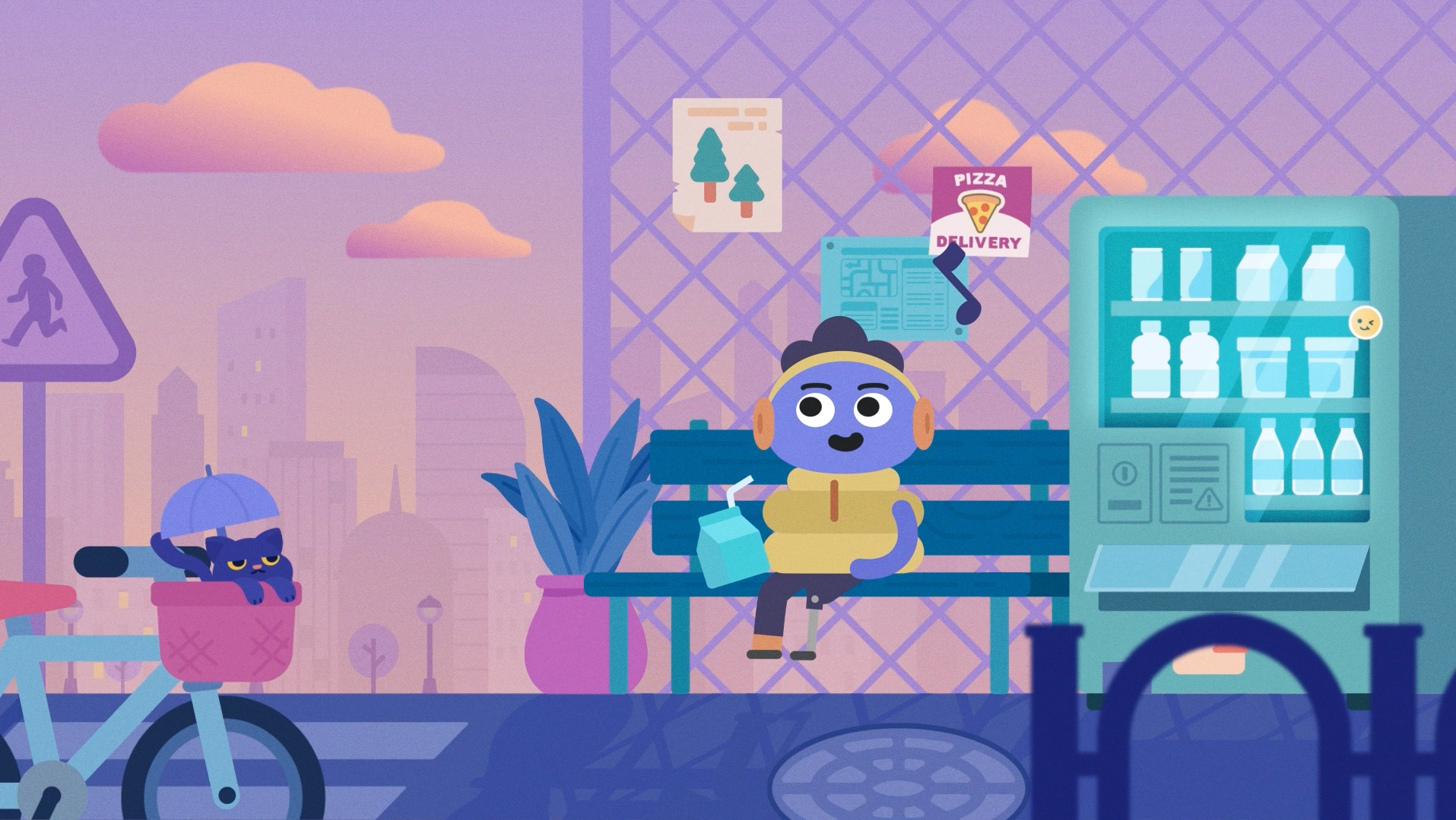
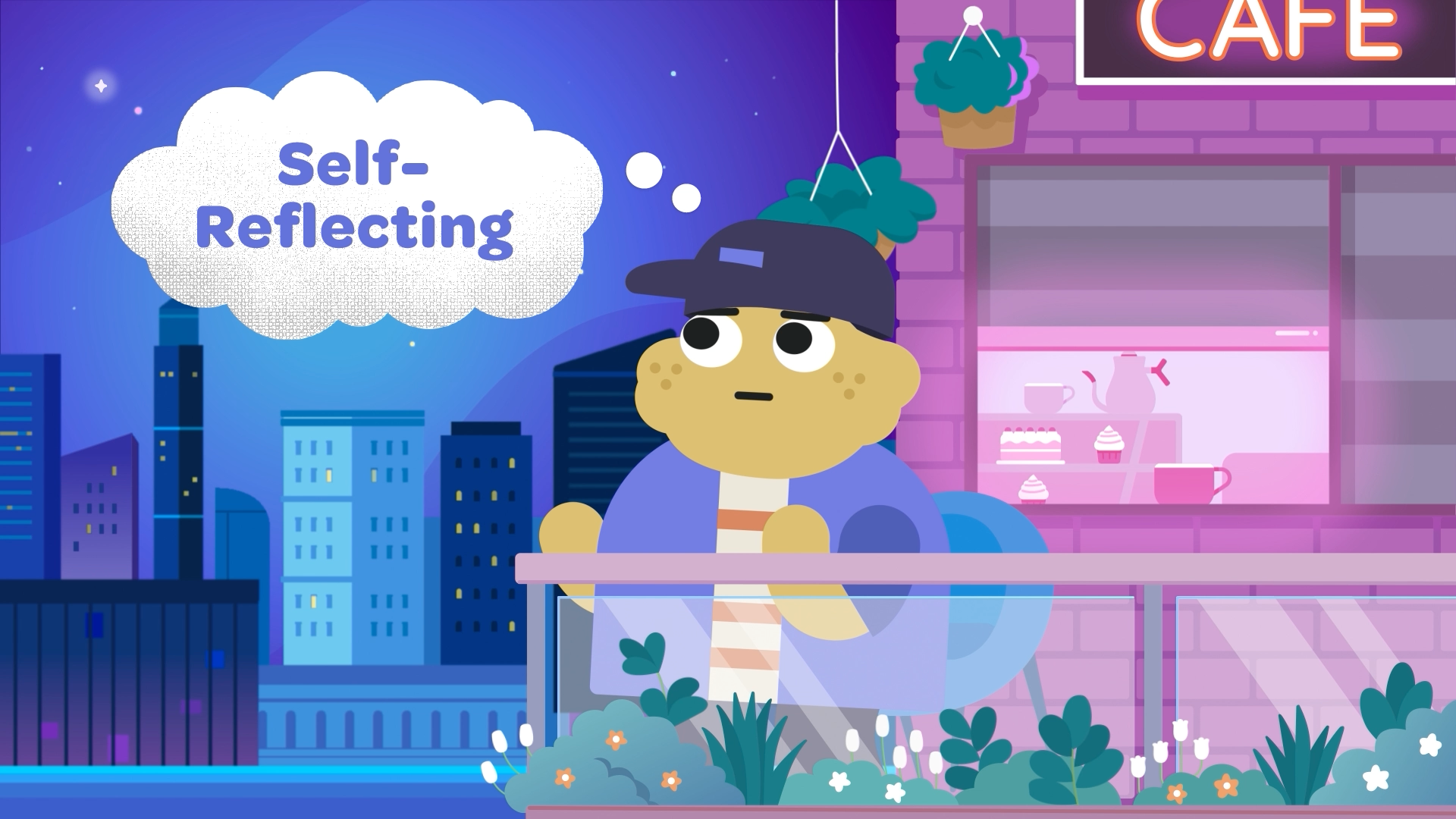
In this video lesson, students learn how to build emotional awareness by understanding how thoughts, actions, and feelings connect, tuning into themselves, and using "I feel" statements, then practice a mindfulness exercise.
- Extension activity
Inward Reflection
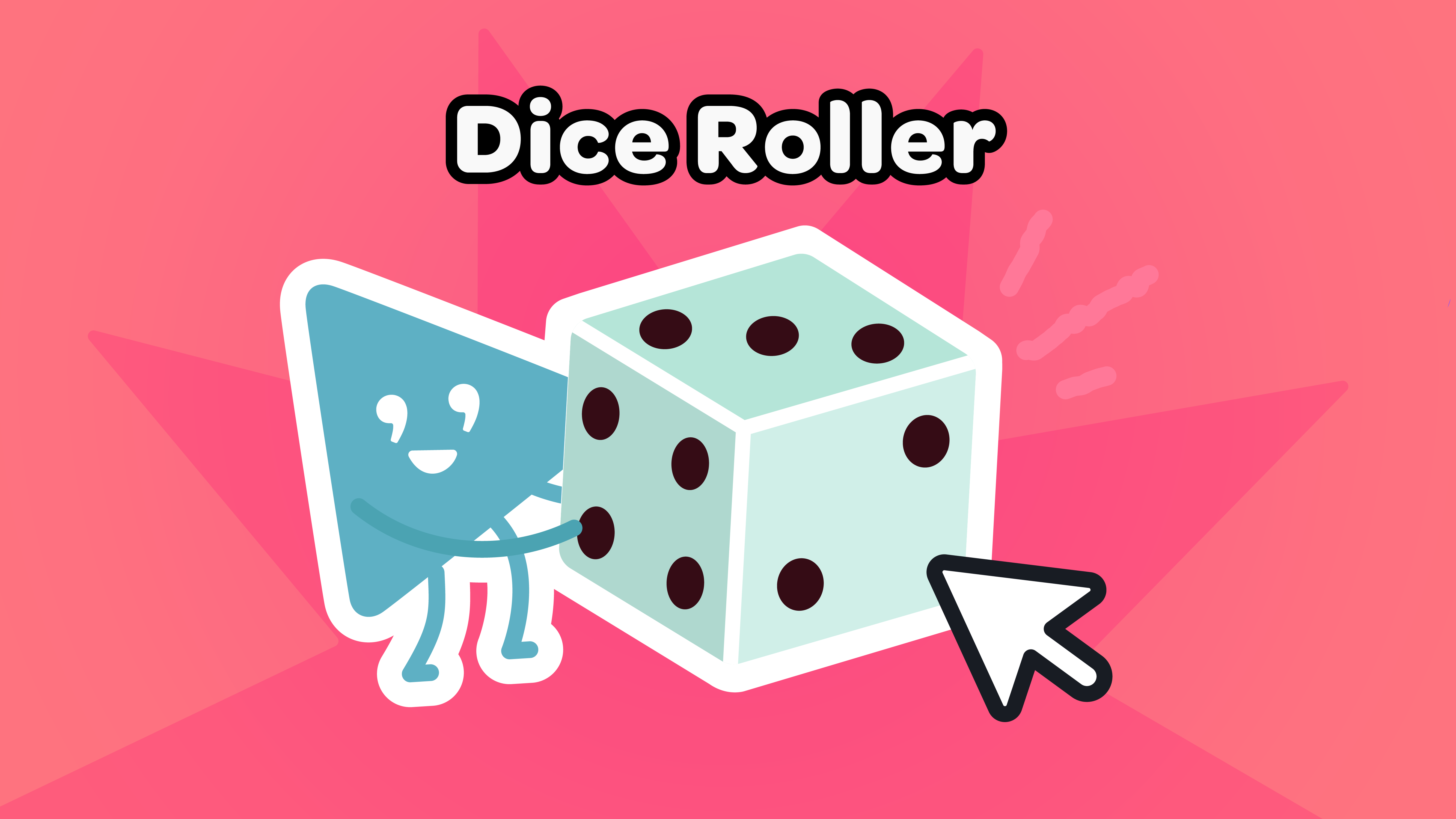
In this interactive dice-roll activity, students reveal an emotion, like angry, nervous, or distracted, and share a strategy they would use to regain a sense of calm and control.
Plus everything you need to teach them
Warm-up
- Video: 4-7-8 Breathing2:13
- Video: Obstacles into Opportunities Visualization1:19
- Video: Yoga Pose Library
Session Opener
Guiding Question: Why is self-awareness important?
Practice
- Discussion Question
- Role-Play Activity
- Mini Game
How to use it with your students
- 1Watch Play the video lesson so students see the skill in action.
- 2Practice Try the skill together with a discussion prompt, role-play, or mini game.
- 3Extend Use the extension activity to help students carry the skill further.
What's Covered
In this lesson, students learned about emotional awareness, which is the ability to notice and name how they are feeling in the moment. They practiced tuning into their thoughts and feelings and using "I feel" statements to label specific emotions. Knowing the difference between feelings like frustrated and angry helps them figure out how to handle a situation.
Key Terms
- Self-Awareness
- Noticing your own feelings and thoughts as they happen, including how comparing yourself to others online affects them. It is paying attention to what is true for you inside, not just what appears on the surface.
- Thoughts, Actions, Feelings Circle
- A loop where your thoughts lead to actions, your actions lead to feelings, and those feelings connect back to your thoughts. Noticing this cycle helps you understand why you react the way you do.

Sample IEP Goal This Session Supports
-
Mindfulness
Learner will independently initiate a mindfulness practice (e.g., breathing exercise, movement break, body scan) when noticing a need to reset, and engage with the practice for its full duration, in 4 out of 5 opportunities independently/given X prompt(s).
Send this tip home to support generalization
At home or in the classroom, when something shifts in the moment, try asking what they are feeling and what made them feel that way. Naming the feeling out loud or in their head can make it easier to decide what to do next.
Ready to teach Becoming Self-Aware?
Get the video, activity and discussion materials with zero prep.
Get These Materials Free
More Self-Regulation Activities

Frequently asked questions
Is this intervention free?
Yes, this ready-to-teach session on Becoming Self-Aware is free. You can access this intervention free for 14 days through the Everyday Speech Session Library. Every user gets three free sessions, but you can get more or extend your access by sharing the Session Library with friends and colleagues.
What ages is this for?
These materials are designed for middle and high school students.
What's included?
You'll get access to your choice of warm-up videos, a session opener, a core material on Becoming Self-Aware, three practice prompts, and an extension activity, Inward Reflection.
What skill does this intervention teach?
This ready-to-teach session is on self-regulation - more specifically, being mindful.
Get access to the full curriculum
A no-prep social skills curriculum with a full scope and sequence that builds student skills over time. MTSS-aligned across every tier, with 400+ whole class lessons and 800+ ready-to-teach sessions.
Start a 30-Day Free Trial
