

Coping Skills for Teens: Handling Embarrassment
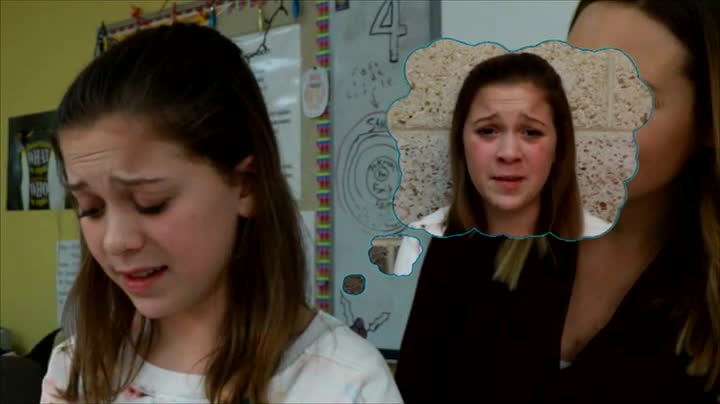
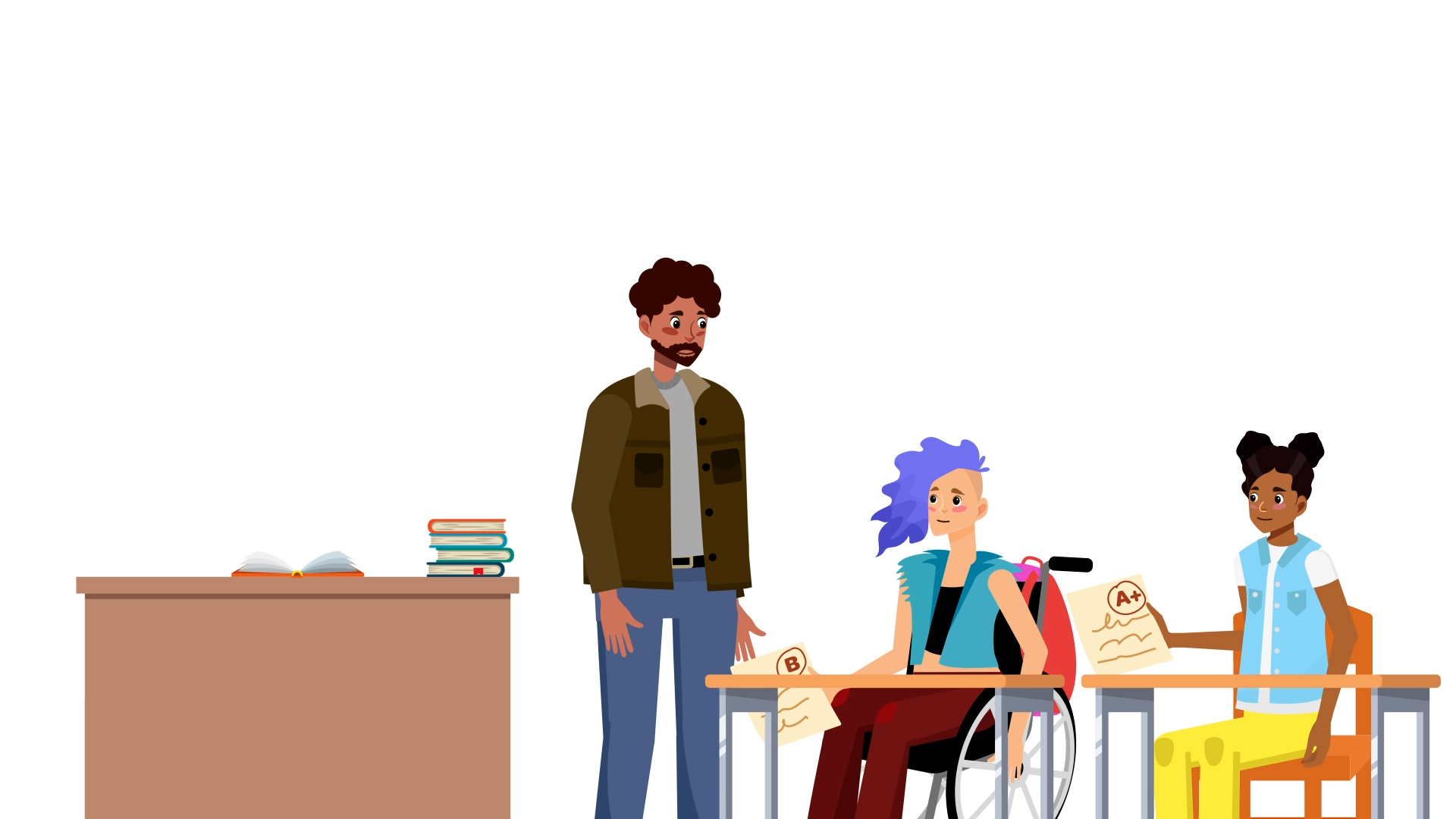
This session teaches coping skills for teens, helping older students handle embarrassment by noticing an overwhelming feeling and switching it with positive self-talk. They watch a short video, then discuss two students who make the same reading mistake and respond in very different ways. In a quick game, students take another person's perspective and make the strongest case for what that person might be thinking or feeling. The takeaway: a tough moment does not have to derail the day.

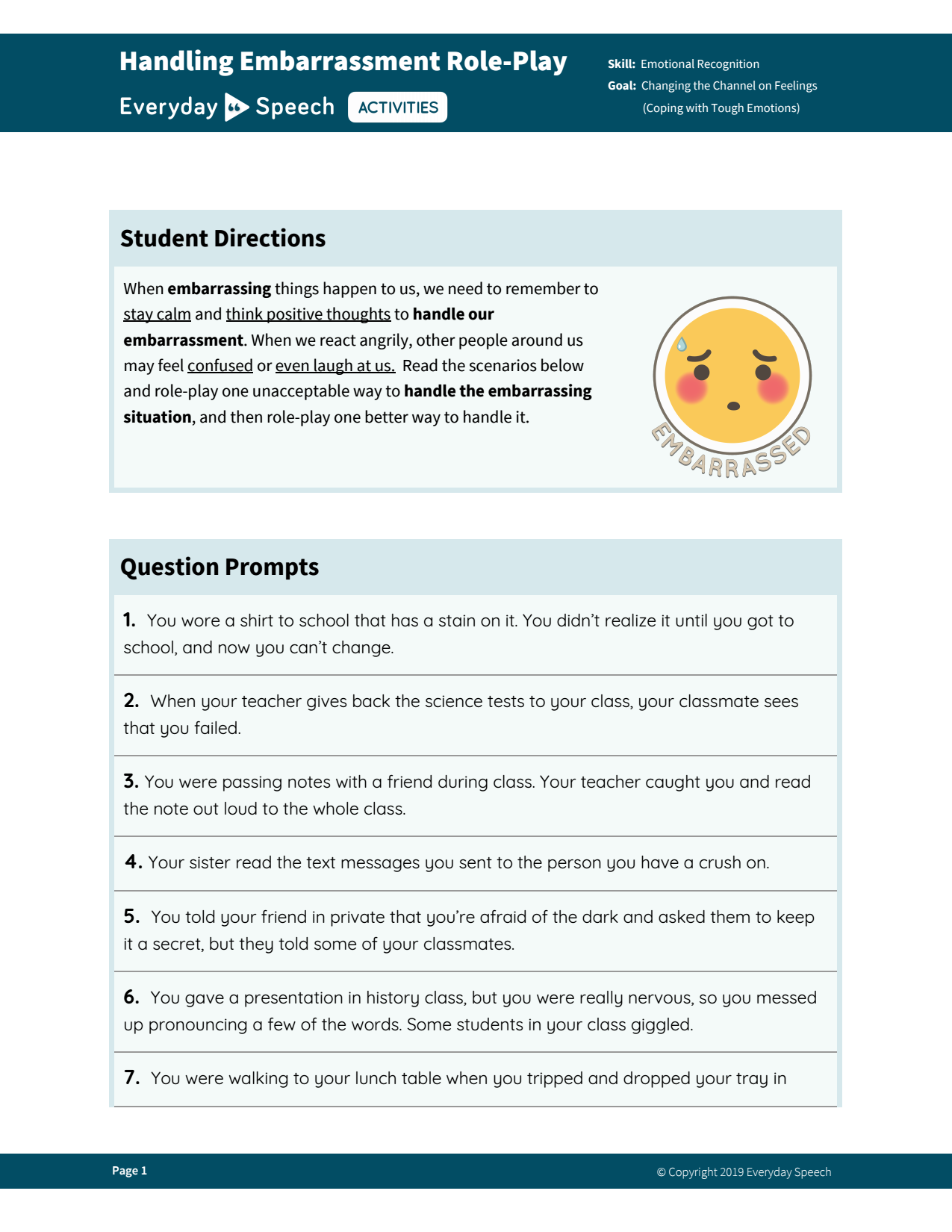 Extension activity
- Skill
- Emotional Recognition
- Goal
- Changing the Channel on Feelings
- Grade level
- Middle & High School
Get everything you need to teach the skill
These materials are part of a no-prep session designed by our clinical team, with all the structure, scaffolding, and support you need to teach included.
Engaging materials
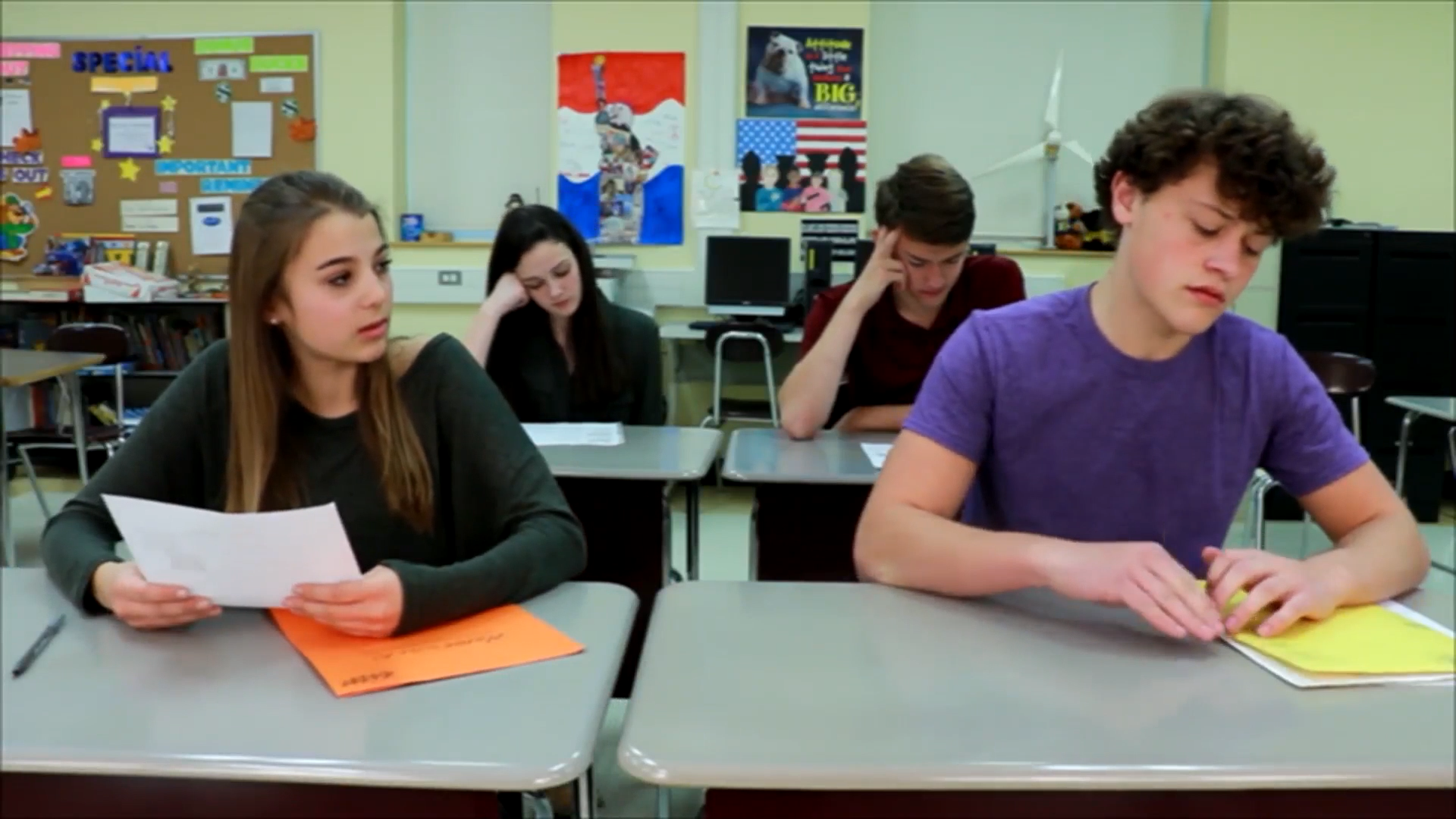 Video modeling lesson
Handling Embarrassment
When we feel embarrassed, it doesn’t feel good. But we stay calm, and we don’t get upset. We think positive thoughts to try and feel better.
- Extension activity
Handling Embarrassment Role-Plays
Students are given example scenarios and asked to role-play one good way and one not so good way to handle the embarrassing situation.
Plus everything you need to teach them
Warm-up
- Video: 4-7-8 Breathing2:13
- Video: Obstacles into Opportunities Visualization1:19
- Video: Yoga Pose Library
Session Opener
Guiding Question: How can someone handle feeling embarrassed?
Practice
- Discussion Question
- Role-Play Activity
- Mini Game
How to use it with your students
- 1Watch Play the video modeling lesson so students see the skill in action.
- 2Practice Try the skill together with a discussion prompt, role-play, or mini game.
- 3Extend Use the extension activity to help students carry the skill further.
What's Covered
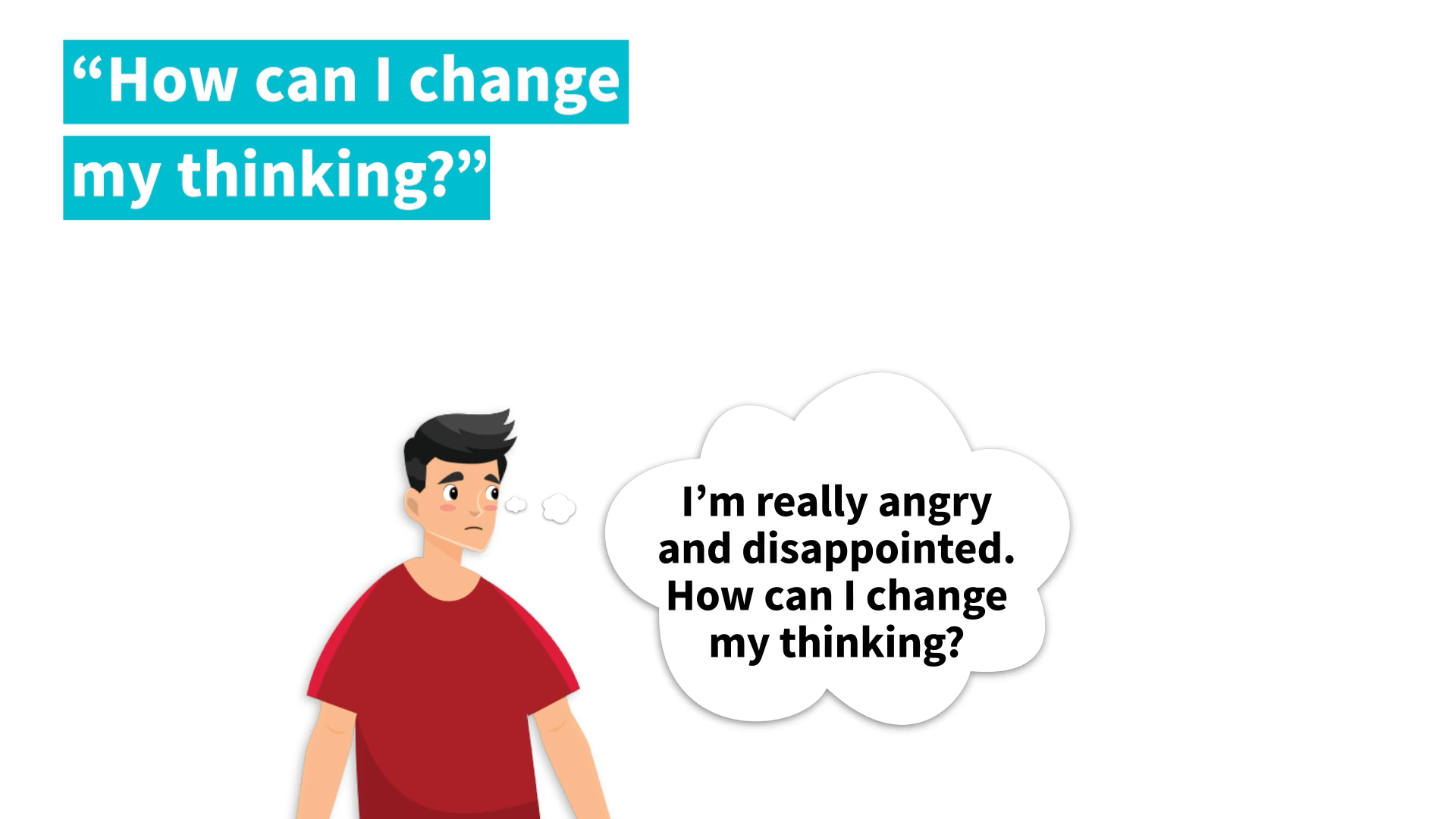
In this lesson, students learned that embarrassment is something everyone feels after making a mistake in front of others, and that it can pass. They practiced noticing that feeling and using a deep breath along with positive self-talk, like reminding themselves that mistakes happen to everyone, to keep going. This helps them move past an uncomfortable moment instead of getting stuck in it.
Key Terms
- Embarrassment
- The uncomfortable feeling you get when you make a mistake in front of others and feel upset that they saw. It can feel like sadness and frustration at the same time, and your face might turn red.
- Positive Thoughts
- Encouraging things you tell yourself when something feels hard, like "People make mistakes all the time" or "I can do this."

Sample IEP Goal This Session Supports
-
Changing the Channel on Feelings
When experiencing strong emotions such as jealousy, disappointment, frustration, or embarrassment, learner will use a self-selected coping strategy (e.g., taking a break, positive self-talk, deep breaths) to manage the feeling and return to the task or interaction in 4 out of 5 opportunities independently/given X prompt(s).
Send this tip home to support generalization
At home or in the classroom, when a student makes a small mistake in front of others, try offering one quick reframe they can say to themselves, such as "Everyone messes up sometimes." Hearing it once gives them a phrase to reach for next time.
Ready to teach Handling Embarrassment?
Get the video, activity and discussion materials with zero prep.
Get These Materials Free
More Emotional Recognition Activities
Frequently asked questions
Is this intervention free?
Yes, this ready-to-teach session on Handling Embarrassment is free. You can access this intervention free for 14 days through the Everyday Speech Session Library. Every user gets three free sessions, but you can get more or extend your access by sharing the Session Library with friends and colleagues.
What ages is this for?
These materials are designed for middle and high school students.
What's included?
You'll get access to your choice of warm-up videos, a session opener, a core material on Handling Embarrassment, three practice prompts, and an extension activity, Handling Embarrassment Role-Plays.
What skill does this intervention teach?
This ready-to-teach session is on emotional recognition - more specifically, changing the channel on feelings.
Get access to the full curriculum
A no-prep social skills curriculum with a full scope and sequence that builds student skills over time. MTSS-aligned across every tier, with 400+ whole class lessons and 800+ ready-to-teach sessions.
Start a 30-Day Free Trial
